Funding Channels Powering Layered Incentive Structures in Handheld Entertainment Platforms
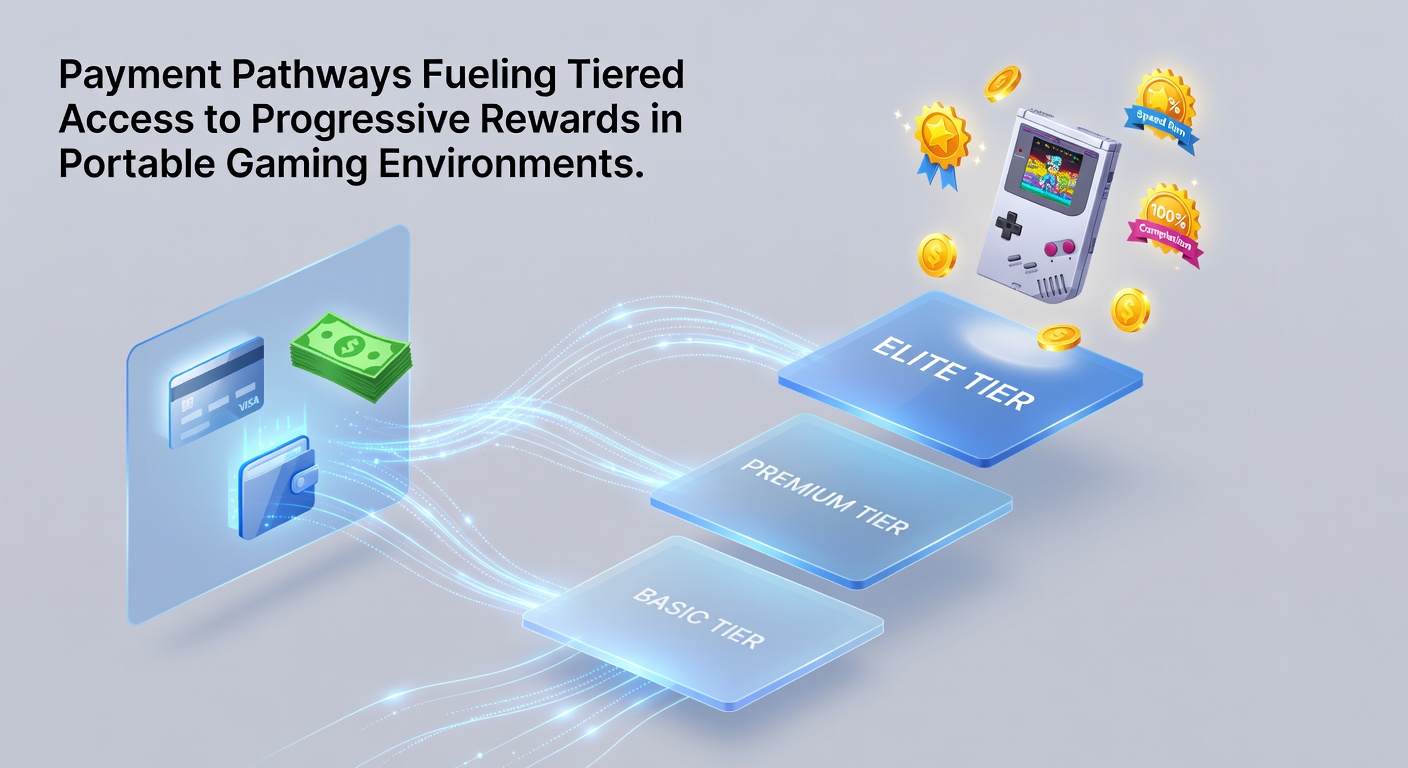
Portable gaming environments have expanded rapidly since developers integrated seamless transaction systems that connect directly to loyalty frameworks, and this integration allows players to move through reward tiers based on deposit speed and volume. Data from industry reports indicate that mobile platforms now handle over 70 percent of all digital gaming transactions in several regions, which creates direct pathways for users to unlock progressive benefits such as enhanced multipliers and exclusive jackpot pools.
Core Payment Routes in Mobile Ecosystems
Instant deposit methods including digital wallets and contactless bank links operate alongside traditional card processing to reduce friction in portable applications. These channels feed into backend systems that track activity in real time, so a single deposit can trigger an immediate shift from basic access to intermediate reward levels. Observers note that platforms using these routes report faster tier progression compared with slower methods like bank wires, because the funds appear in player accounts within seconds rather than hours.
Payment providers have refined their APIs to communicate directly with gaming servers, which means each completed transaction updates a user's loyalty profile without manual intervention. This technical link supports progressive structures where higher tiers grant access to games featuring elevated payout percentages or additional bonus rounds, and the connection remains stable across different device operating systems.
Tier Progression Mechanics Driven by Transactions
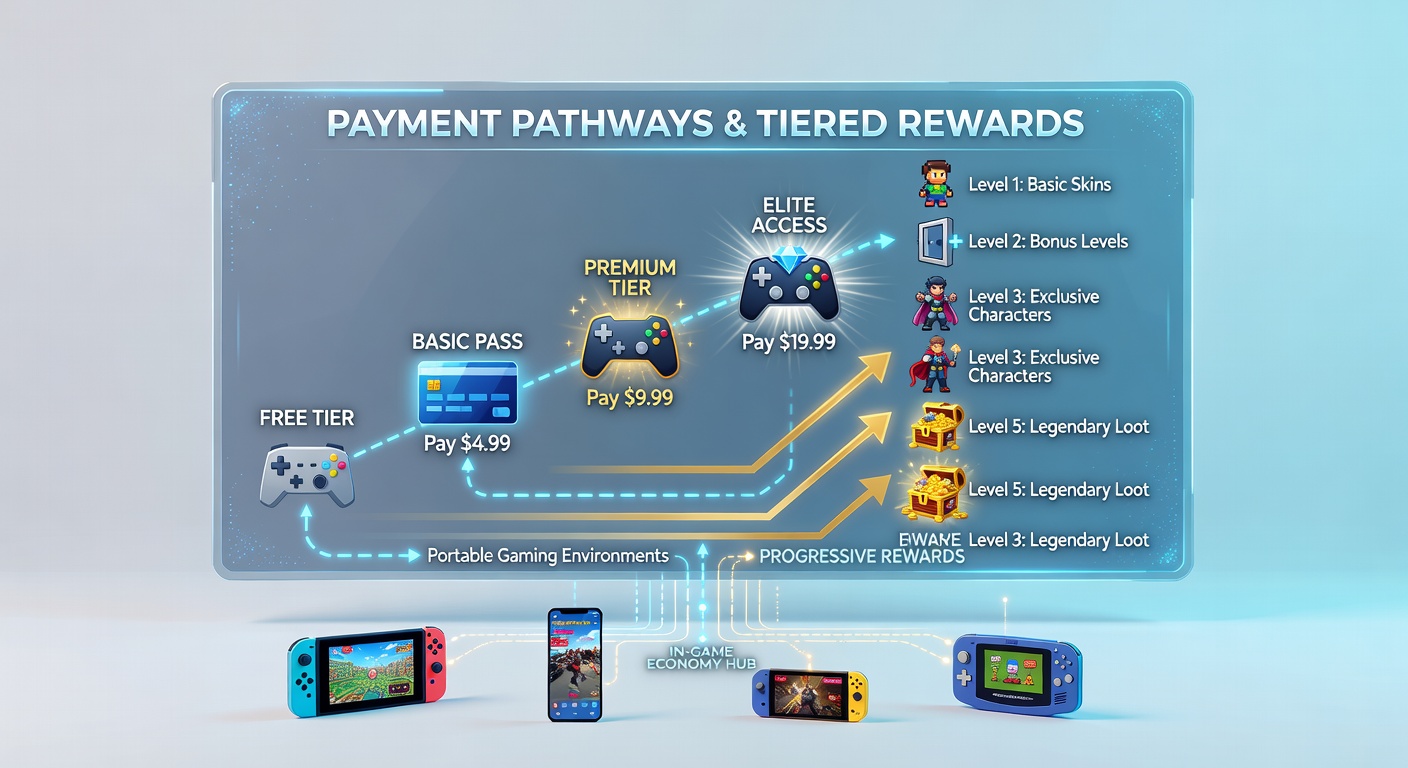
Reward systems in handheld environments typically divide access into multiple stages, each requiring specific deposit thresholds or frequency metrics. When users select faster pathways such as e-wallet transfers, the accumulated activity registers more quickly, which advances them into tiers that offer compounded rewards like stacked free spin packages or entry into progressive jackpot networks. Research indicates that platforms employing these mechanics see increased session lengths once players reach the second or third tier, because the unlocked features encourage continued engagement.
Take one developer who integrated tier tracking with real-time payment confirmation. That integration produced measurable shifts in user behavior within weeks, as participants moved from entry-level benefits to advanced reward sets that include personalized jackpot contributions. The process relies on algorithms that weigh transaction size and speed, then adjust the available prize pools accordingly, while maintaining compliance with regional standards.
Regional Data and Platform Examples
Figures released in May 2026 by the New Jersey Division of Gaming Enforcement show that mobile transaction volumes in regulated markets grew by 18 percent year-over-year, with a notable portion attributed to pathways that support instant tier updates. Similar patterns appear in Canadian provincial reports, where operators document higher conversion rates when payment speed aligns with reward escalation rules. These statistics highlight how transaction velocity influences access to progressive elements rather than any single promotional tactic.
Industry organizations such as the European Gaming and Betting Association have published summaries that connect payment infrastructure improvements to broader reward system adoption. Their analysis covers multiple jurisdictions and shows consistent patterns where faster funding channels correlate with quicker advancement through loyalty stages, leading to broader participation in progressive prize features.
Security and Verification Layers
Each payment pathway incorporates verification steps that protect both users and operators, yet these steps integrate smoothly enough to avoid delaying tier advancement. Multi-factor authentication combined with device recognition allows approved transactions to process without repeated checks, which keeps the reward progression continuous. Experts have observed that platforms balancing robust security with transaction speed maintain higher retention across tier levels, because players encounter fewer interruptions while climbing the reward ladder.
Academic studies from research institutions further examine how encryption standards support these flows without compromising data integrity. One paper from a North American university detailed test cases where encrypted mobile deposits fed directly into tier databases, resulting in accurate reward allocation across thousands of simulated sessions. The findings emphasize reliability over any particular technology preference.
Conclusion
Payment pathways continue to shape how portable gaming environments structure tiered access to progressive rewards, because transaction speed and reliability determine the pace at which users unlock successive benefit layers. As platforms refine these connections through updated APIs and regional compliance measures, the relationship between funding channels and reward progression remains central to mobile gaming operations. Data from multiple regulatory sources confirm that this dynamic supports sustained activity across different player segments without relying on isolated promotional events.