Integrated Payment Systems, Tiered Rewards, and Live Features Shape Mobile Casino Experiences
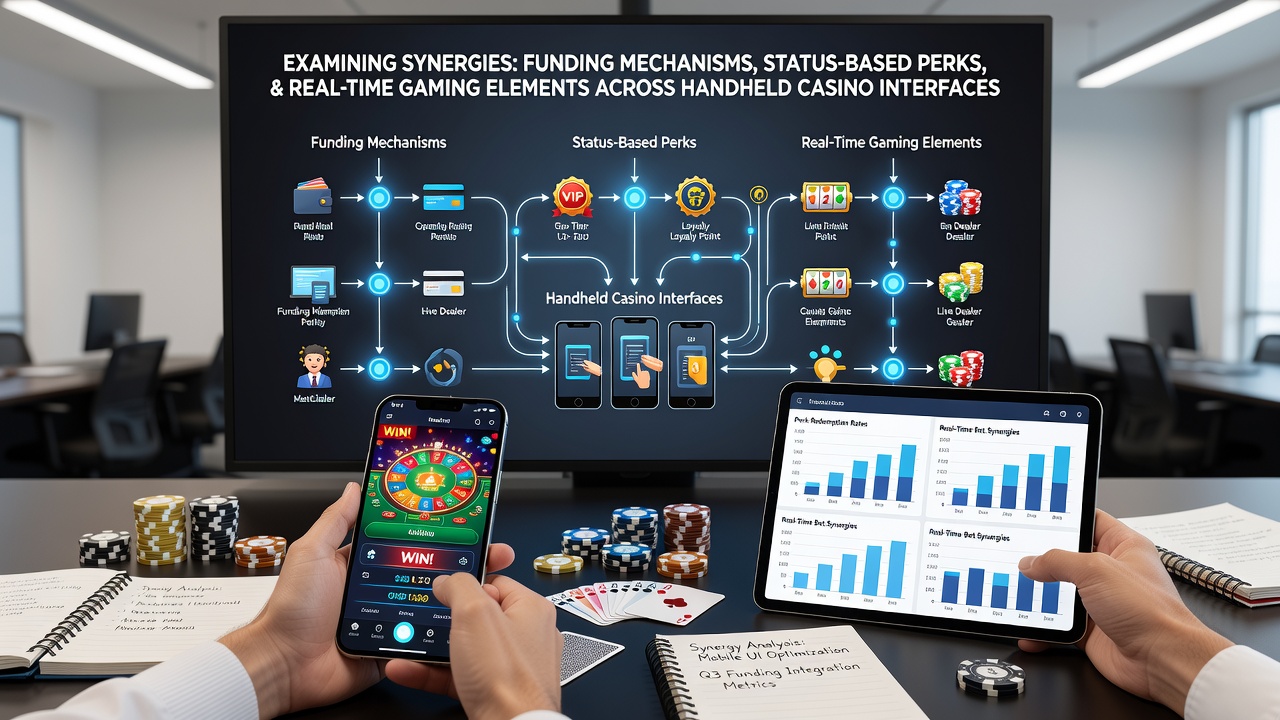
Payment systems now connect directly with loyalty structures and live gameplay tools across handheld casino platforms, creating operational flows that affect how users access games and claim rewards. Funding mechanisms range from instant bank transfers and digital wallets to cryptocurrency options, each feeding into status calculations that unlock tiered benefits while players engage with real-time elements such as live dealer tables and dynamic bonus rounds.
Payment Structures Feed Status Calculations
Operators link deposit activity to player accounts so that transaction volume determines eligibility for status levels, and those levels in turn adjust reward rates for live sessions. Data from industry reports show that platforms using unified ledgers record deposit-to-status updates within seconds, allowing real-time adjustments to free spin allocations or cashback percentages during active play. This setup means a single funding action can trigger immediate visibility of upgraded perks on the handheld screen without requiring users to navigate separate menus.
Researchers at the University of Nevada Reno documented how integrated ledgers reduce processing delays by connecting funding events to status engines, resulting in faster access to live table features that scale rewards based on current tier. Such connections appear across multiple jurisdictions where operators must maintain accurate records of player activity for compliance purposes.
Status Perks Influence Real-Time Gameplay Options
Tiered benefits often modify live game parameters, such as increasing the frequency of bonus triggers or adjusting payout multipliers during ongoing rounds. When status updates occur mid-session, handheld interfaces display revised rules instantly, enabling players to continue without exiting the game environment. Evidence from operational reviews indicates that platforms synchronizing status data with game servers maintain consistent performance even during peak usage periods.
Observers note that elite status holders frequently receive priority entry to high-stakes live dealer rooms, where funding history directly affects seat availability and minimum bet thresholds. These mechanics operate through backend APIs that push updates to mobile clients as soon as deposit confirmations register in the system.

Regulatory Timelines Affecting Mobile Integration
Starting in July 2026, certain regulatory frameworks in North American and European markets will require enhanced reporting on how payment data links to reward systems in mobile applications. These requirements focus on transparency around status calculations and real-time feature modifications, prompting operators to audit their data pipelines for accuracy and audit trails. The American Gaming Association has published guidance on maintaining separate logs for funding events and status adjustments to meet upcoming standards.
Platforms that already maintain real-time synchronization between these components face fewer structural changes, while others must implement new monitoring tools before the deadline. Such shifts affect how handheld interfaces present combined information about deposits, status progress, and active game modifiers in a single view.
Technical Architecture Supporting These Connections
Modern mobile casino systems rely on cloud-based databases that update player profiles across payment, loyalty, and game modules simultaneously. When a user completes a deposit, the system recalculates status points and pushes revised bonus parameters to the active game session within the same data transaction. This architecture supports features like instant VIP cashouts during live play, where funding records determine eligibility without interrupting the session.
Case studies from operators in the Asia-Pacific region demonstrate that unified databases handle thousands of concurrent updates per minute while preserving game fairness and reward accuracy. Those implementations use timestamped event logs that align deposit timestamps with status upgrades and live game outcomes for regulatory review.
Player Interface Design Reflects System Integration
Handheld screens present funding status, current tier benefits, and live game controls within unified dashboards so users can monitor all three elements without switching applications. Designers arrange progress bars for status advancement next to deposit buttons and real-time game feeds, creating visual continuity that reflects backend data flows. Studies from the European Gaming and Betting Association highlight that interfaces displaying these elements together reduce navigation steps and support sustained engagement across longer sessions.
Updates to status or available perks appear as overlay notifications during live rounds, maintaining context without pausing gameplay. This design approach aligns with the technical requirement that all three components remain synchronized throughout the player experience.
Conclusion
The operational links between funding mechanisms, status-based perks, and real-time gaming elements continue to define how handheld casino platforms function. As regulatory changes approach in July 2026, operators maintain focus on accurate data synchronization across these areas to support compliance while delivering consistent mobile experiences. Research from academic and industry sources confirms that unified systems underpin the visible connections players encounter on their devices.