Mapping Electronic Fund Routes for Layered Bonus Systems and Instant Live Gaming in Mobile Environments
Written by Henrik Hartmann · Aug 13, 2026
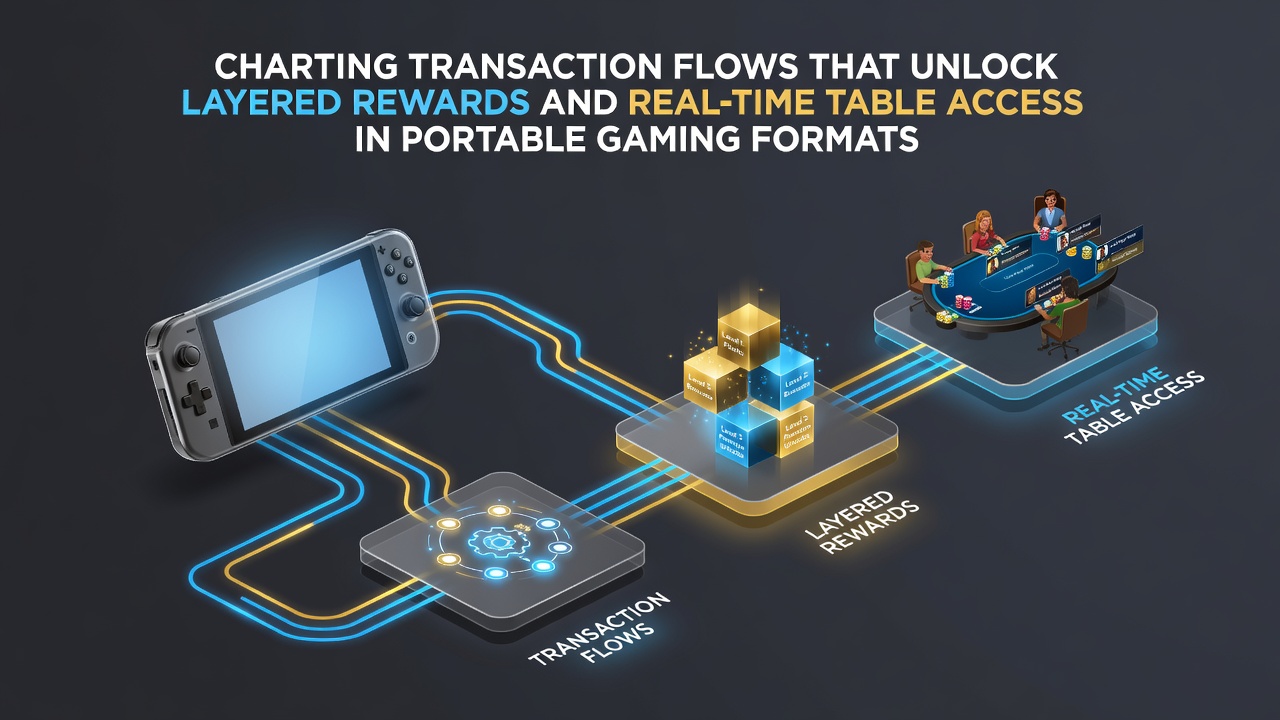
Mapping Electronic Fund Routes for Layered Bonus Systems and Instant Live Gaming in Mobile Environments
Electronic payment networks in portable gaming platforms operate through sequenced data exchanges that connect user accounts to centralized ledgers maintained by operators, and these sequences determine how deposits convert into playable balances while simultaneously triggering reward accumulations across multiple tiers. Operators integrate application programming interfaces that track each transfer in milliseconds, allowing systems to apply bonuses at the point of deposit confirmation rather than after separate processing steps.
Core Mechanics of Fund Routing in Handheld Formats
Portable devices transmit encrypted authorization requests to payment processors that verify funds before releasing them into gaming wallets, and this verification step often incorporates checks against regulatory databases that flag restricted accounts in real time. Once cleared, the funds activate loyalty tracking modules that record activity across game types, building points that unlock higher reward brackets without requiring separate user actions. Data from industry reports indicates that such integrated routing reduces processing latency by up to 40 percent compared with legacy batch systems still used in some land-based venues.
Layered Reward Structures Activated by Transaction Sequences
Multi-tier incentive programs rely on cumulative transaction histories that systems log at the individual user level, with each deposit amount and frequency metric feeding algorithms that assign tier status automatically. Players who route recurring smaller amounts may reach intermediate levels faster than those making infrequent large transfers, because the algorithms weight consistency alongside volume when calculating eligibility. Observers note that this design encourages sustained engagement patterns across daily sessions rather than isolated high-value events, and operators adjust the weighting factors periodically to align with broader platform performance metrics.
Real-Time Table Access Through Connected Payment Channels
Live dealer environments on mobile devices require persistent connections between the player's funded account and the streaming server infrastructure, which means transaction confirmations must occur before entry permissions activate. Systems that pre-authorize small reserve amounts during initial logins allow seamless movement between slots and table games without additional approval waits, while still reconciling the final amounts at session end. Research from the European Gaming and Betting Association shows that platforms using these pre-authorization methods report higher retention rates during peak evening hours when users switch between game categories multiple times.
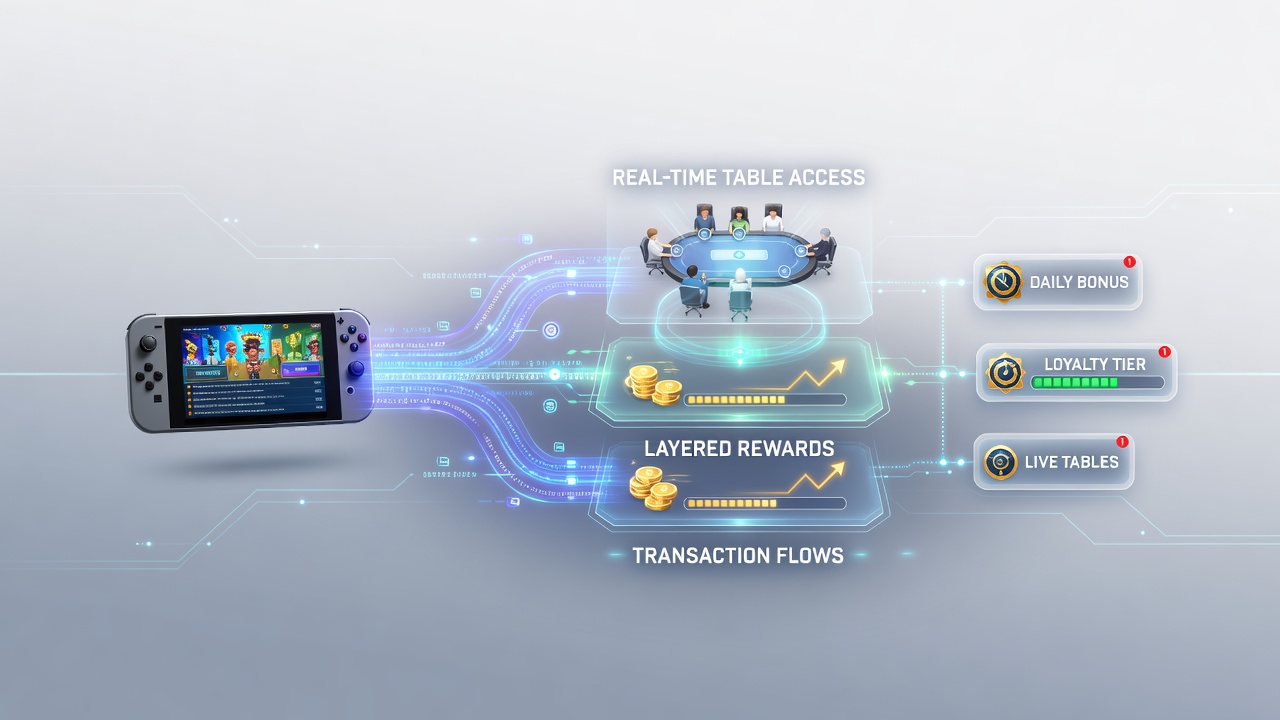
August 2026 marks the scheduled rollout of updated technical standards in several jurisdictions that mandate enhanced encryption protocols for all mobile transaction data, and these changes require operators to demonstrate audit trails that map every fund movement from initiation to reward disbursement. Compliance teams have already begun testing upgraded ledgers that timestamp each layer of bonus allocation alongside table access grants, ensuring regulators can reconstruct complete user journeys when conducting reviews. Platforms that complete these upgrades early gain operational buffers because they avoid last-minute system overhauls during the transition period.
Integration Patterns Across Different Regulatory Regions
North American state regulators have introduced reporting templates that require operators to submit anonymized flow diagrams showing how deposits split between principal balances and promotional credits, and similar frameworks appear in draft documents from Australian oversight bodies. These templates focus on transparency around timing rather than restricting specific reward mechanics, allowing operators flexibility while still providing oversight agencies with comparable datasets. Academic papers published through the University of Nevada's gaming research center have examined how such standardized reporting influences operator investment in real-time monitoring tools, finding measurable increases in platform stability after adoption.
Portable gaming continues to evolve its transaction infrastructure to support both reward layering and live table entry without introducing friction at the user interface level, and the underlying data pathways determine whether those features activate reliably across varying network conditions. Operators that maintain redundant routing options reduce instances where temporary connectivity issues block access to accumulated tiers or scheduled dealer sessions. Figures released by the Canadian Gaming Association reveal that platforms investing in diversified processor partnerships experienced fewer service interruptions during high-traffic periods in the preceding fiscal year.
Conclusion
Transaction mapping in mobile gaming environments connects payment authorization steps directly to reward calculation engines and live access controls, creating unified systems that respond to user activity in continuous cycles. The technical standards scheduled for August 2026 will further standardize how these mappings are documented and audited, while regional reporting requirements already encourage operators to refine their internal ledgers for greater clarity. As portable formats expand their live dealer offerings, the efficiency of fund routing remains central to delivering consistent tiered benefits and immediate table connectivity across diverse device ecosystems.