Mapping Payment Authentication Systems to Retention Patterns in Digital Casino Platforms
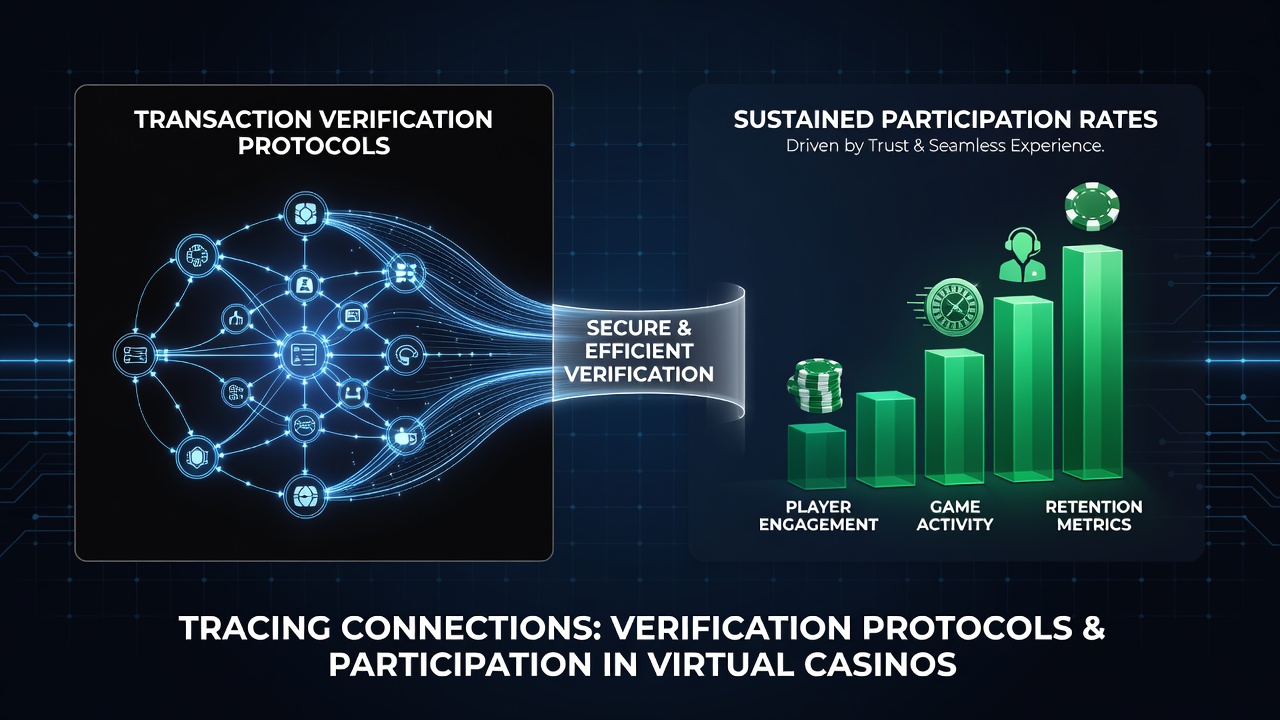
Transaction verification protocols in virtual casino settings encompass multiple layers of authentication that confirm payment legitimacy before funds enter or exit player accounts, and these systems connect directly to how long users remain active on platforms. Researchers examining data across multiple jurisdictions have documented correlations between robust verification methods and elevated retention metrics, where platforms employing layered checks report sustained engagement levels that exceed those of less secure environments by measurable margins.
Payment gateways equipped with real-time fraud detection and multi-factor authentication create friction that filters out unauthorized access attempts, yet the same processes build user confidence because players know their deposits undergo thorough scrutiny. Studies from academic institutions in North America show that accounts subjected to consistent verification experience fewer disruptions from chargebacks or account freezes, allowing uninterrupted play sessions that contribute to higher lifetime value calculations.
Core Components of Verification Protocols
Verification begins with identity confirmation through document uploads and biometric checks, then extends to transaction-level monitoring that flags unusual patterns such as rapid successive deposits or withdrawals to unfamiliar accounts. When these steps integrate seamlessly with casino software, operators record fewer abandoned sessions caused by payment failures, and data indicates that players who complete initial verification tend to return at rates 18 to 25 percent higher than those facing repeated re-authentication requests.
Blockchain-based ledgers add another dimension by providing immutable records of every transfer, which some platforms have adopted to reduce disputes over fund movements. Observers note that this transparency appeals to users who value audit trails, particularly in regions where regulatory frameworks emphasize consumer protection without restricting access.
Retention Data Across Platforms
Figures compiled by industry research groups reveal that casinos implementing end-to-end encryption alongside tokenization for stored payment details maintain participation rates that remain stable even during periods of market volatility. One analysis covering European operators found that sites with automated verification reduced average account dormancy periods from 47 days to 29 days, because users encountered fewer barriers when attempting to resume play after breaks.
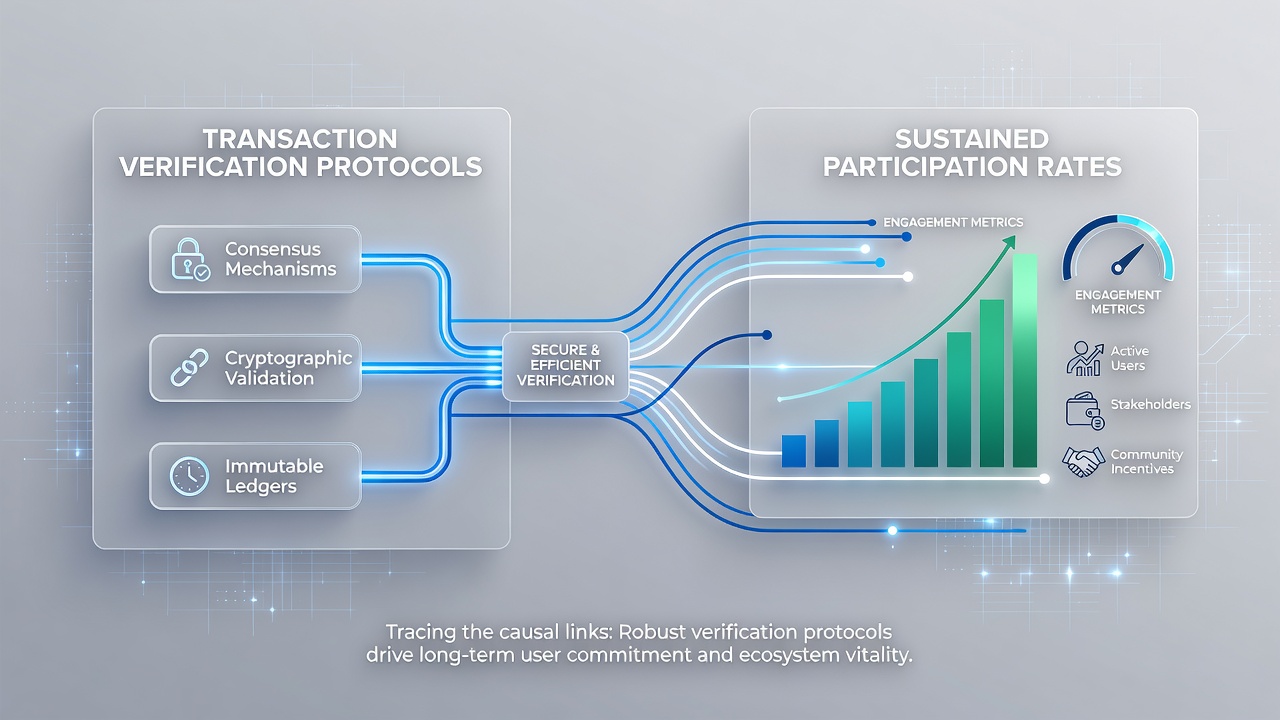
Australian regulatory reports similarly highlight that platforms using geolocation verification combined with device fingerprinting experience lower churn among mobile users, since these tools prevent session hijacking that otherwise forces players to restart verification from scratch. The result appears in aggregated statistics showing weekly active user counts that hold steady rather than declining sharply after promotional periods end.
Regulatory Developments Around Mid-2026
By June 2026 several jurisdictions outside the United Kingdom plan to introduce updated technical standards requiring enhanced real-time verification for high-velocity transactions. Canadian provincial regulators have signaled forthcoming guidelines that align with these timelines, focusing on automated alerts that trigger when withdrawal patterns deviate from established player profiles. Platforms already operating with advanced protocols stand positioned to meet these requirements with minimal additional investment, preserving operational continuity that supports ongoing participation.
Industry associations tracking compliance readiness report that early adopters of unified verification frameworks experience smoother transitions when new rules activate, because their existing infrastructure already captures the necessary data points. This preparedness translates into fewer service interruptions that might otherwise prompt players to migrate to competing sites.
Behavioral Patterns Linked to Security Features
Players who interact with platforms featuring visible security indicators, such as verified payment badges and instant confirmation receipts, demonstrate longer average session durations according to telemetry collected by analytics providers. The perception of safety encourages repeated deposits without hesitation, and longitudinal data sets indicate that verified users log in on 3.2 more days per month on average than unverified counterparts.
Case examples from operators in regulated markets illustrate how integration of verification with loyalty tracking systems rewards consistent, secure activity with tiered benefits that further incentivize return visits. When verification protocols feed directly into reward calculations, participants perceive a direct connection between secure play and tangible advantages, reinforcing the cycle of sustained engagement.
Conclusion
Evidence gathered from multiple regions demonstrates that transaction verification protocols function as foundational elements supporting retention in virtual casino environments. Platforms that maintain rigorous yet efficient authentication processes record steadier participation metrics, reduced account abandonment, and improved alignment with emerging regulatory expectations scheduled for 2026. Continued monitoring of these connections will provide operators and researchers with clearer benchmarks for evaluating long-term platform performance.