Mapping Reel Outcomes: Probability Grids and Reward Thresholds in Mobile Gambling Applications
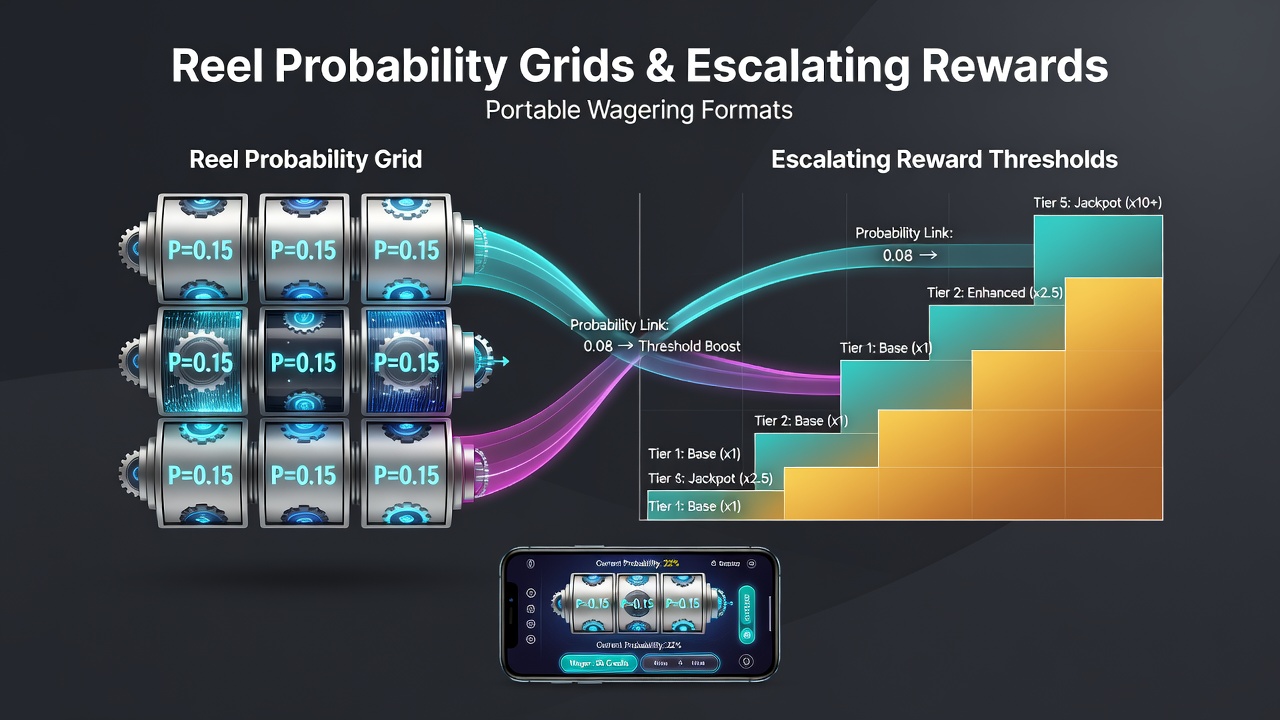
Reel probability grids form the mathematical foundation for symbol placement and outcome generation in digital slot systems that run on portable devices, and these structures connect directly to systems where rewards scale according to predefined thresholds based on accumulated play data and wager amounts. Developers arrange symbols across multiple reels in grid formats that assign weighted probabilities to each position, which determines hit frequencies for various combinations while mobile platforms process these calculations in real time through optimized algorithms.
Core Components of Reel Probability Structures
Each grid operates through layers of virtual stops that extend beyond visible reel positions, and this setup allows operators to control return-to-player percentages with precision across thousands of spins. Symbols receive different weights so that high-value icons appear less frequently than basic ones, yet the grid design incorporates pathways that trigger bonus features when certain thresholds activate. Portable formats add constraints because processing power and screen size influence how these grids render, which leads developers to simplify visual layers while preserving the underlying probability tables that govern every outcome.
Data from the Nevada Gaming Control Board shows that modern mobile implementations maintain consistent probability mappings regardless of device type, although network latency can affect how quickly threshold-based rewards register on user screens. Observers note that grids often include layered volatility settings where low-probability cells connect to escalating payout ladders, meaning players encounter reward jumps only after crossing specific spin counts or stake multiples.
Connections Between Grids and Reward Escalation
Reward thresholds in these systems activate through cumulative metrics tracked within the probability framework, such as consecutive non-winning spins or total wagered amounts that unlock multiplier stages. The grid itself contains hidden escalation markers that the software monitors, and once a threshold crosses, the system redirects future outcomes toward higher-value symbol clusters without altering the base probability distribution. This mechanism appears in many handheld wagering titles where free spin rounds or progressive elements build upon the initial reel structure.
Research published by the University of Nevada's International Gaming Institute indicates that threshold systems tied to probability grids produce measurable shifts in player session lengths, particularly when mobile interfaces display progress indicators that reflect grid state changes. Canadian regulatory reports further document how operators adjust grid weights seasonally to align with regional player preferences while keeping escalation rules intact across different wager levels.
Implementation in Portable Wagering Environments
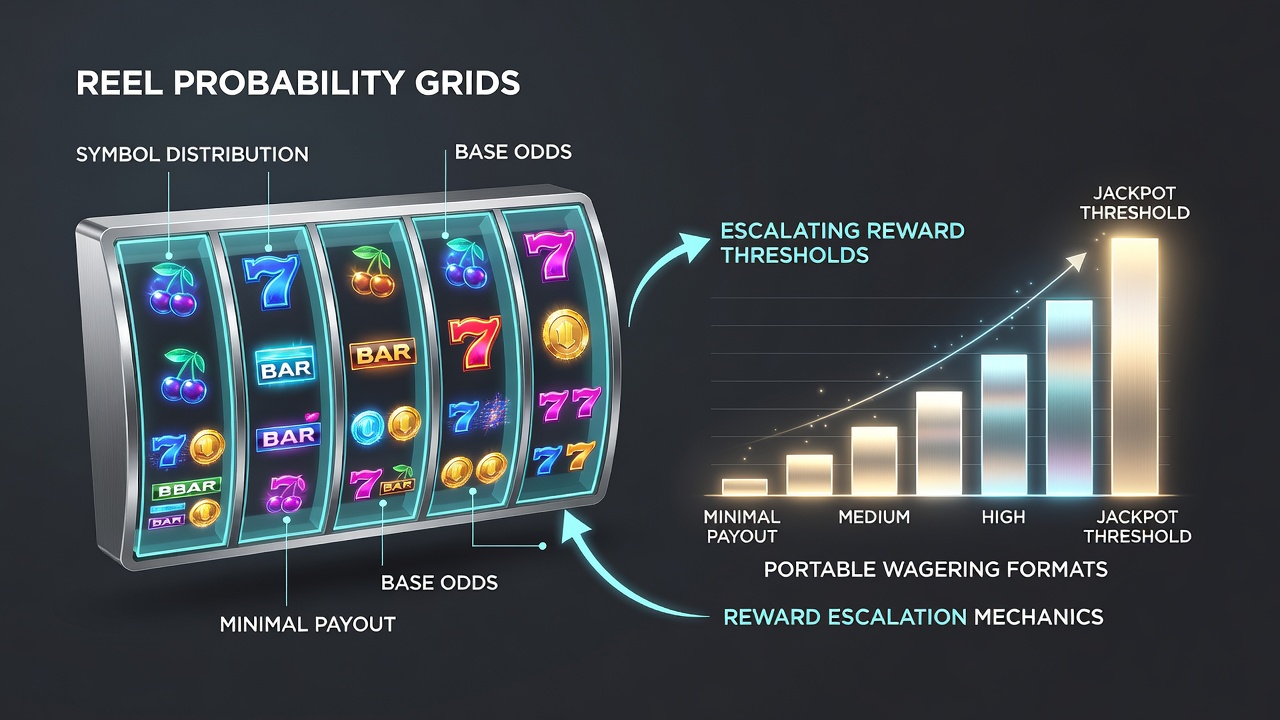
Mobile applications integrate these grids through lightweight code that recalculates probabilities on each spin, and the escalation logic runs server-side to prevent local tampering. Thresholds often incorporate time-based elements as well, such as daily play windows that reset grid modifiers, which encourages repeated engagement without changing core math. Device sensors sometimes feed into the system indirectly by tracking session duration, although teh primary drivers remain wager volume and reel outcome history stored in centralized databases.
One documented case involved an operator that recalibrated grid probabilities for a popular mobile title in early 2025, resulting in faster threshold activations during peak hours while maintaining overall return percentages within licensed parameters. Similar adjustments appear in markets outside North America, where Australian gaming authorities have reviewed comparable systems for compliance with local technical standards.
Technical Adjustments and Regulatory Timelines
Updates scheduled for July 2026 in several jurisdictions will require enhanced transparency in how probability grids link to reward thresholds, particularly for games delivered through portable channels. These changes focus on audit trails that log every grid modification and threshold trigger, allowing independent verification without exposing proprietary weighting formulas. Operators have begun preparing interface modifications that will display simplified grid summaries to users upon request, aligning with broader moves toward standardized reporting across different regulatory zones.
Industry analyses from the Singaporean Gambling Regulatory Authority highlight that portable formats benefit most from these preparations because mobile traffic continues to grow faster than desktop alternatives in most regions. Grid recalibrations remain frequent yet invisible to players, as the underlying tables adjust dynamically to meet new compliance benchmarks while preserving the escalation pathways that define payout progression.
Conclusion
Reel probability grids serve as the structural backbone that enables precise control over outcomes in mobile wagering, and their integration with escalating reward thresholds creates layered systems that respond to player behavior through measurable metrics. As technical standards evolve ahead of the July 2026 deadlines in multiple markets, the relationship between these elements will likely receive greater scrutiny from oversight bodies focused on fairness and transparency across portable platforms.