Navigating Tiered Incentive Structures Across Global Interactive Gambling Networks

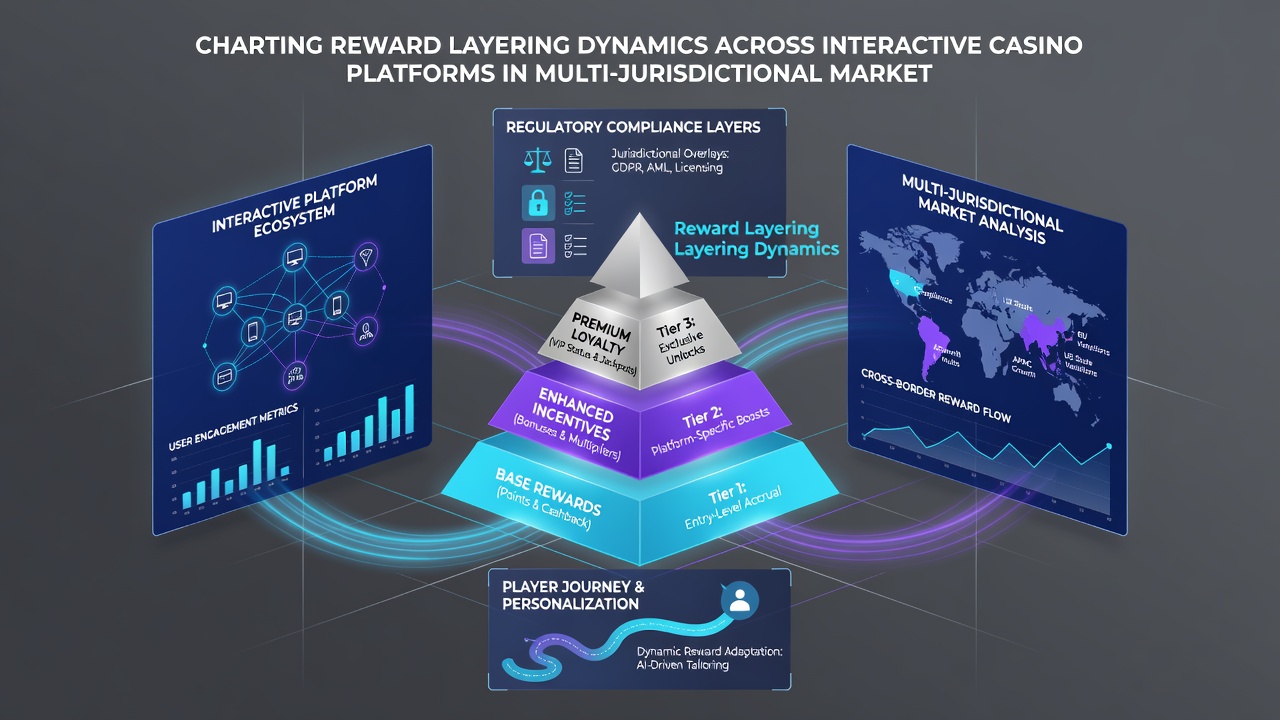
Platforms operating across borders must align reward systems with varying legal frameworks, and operators achieve this through structured layering that combines base bonuses, progressive elements, and VIP escalations tailored to each jurisdiction. Data from regulatory filings shows that multi-jurisdictional operators maintain separate rule sets for deposit matches, free spin allocations, and jackpot contributions while sharing core backend technology. This approach allows simultaneous compliance in markets where stake limits, tax rates, and player eligibility rules differ sharply.
Core Components of Reward Layering
Base layers typically include welcome packages and daily login rewards that reset according to local session caps, whereas secondary layers add multiplier effects tied to cumulative play volume. Tertiary layers incorporate loyalty points that convert into cashback or exclusive tournament entries, and these points often carry jurisdiction-specific expiry rules. Operators integrate these layers through centralized player accounts that flag location data at login, then apply the correct combination of benefits without manual intervention.
Research from cross-border gambling studies indicates that successful layering reduces player churn by 18 percent on average when systems correctly route rewards, while misaligned layers trigger higher complaint volumes to oversight bodies. Platforms therefore invest in real-time geo-fencing tools that update reward menus the moment a player crosses regulatory boundaries.
Regulatory Influences on Layer Design
European operators have adjusted free spin mechanics following 2025 updates to remote gambling directives, and similar recalibrations appear in Canadian provincial frameworks where deposit bonus caps now vary by province. Australian state-level reviews have introduced new reporting requirements for progressive jackpot contributions, forcing operators to segment prize pools by player location. These changes become effective in several markets during mid-2026, prompting platforms to pre-build modular reward engines that can toggle specific features on or off.
One study conducted by an academic research group tracked 47 platforms and found that those maintaining at least four distinct reward layers per jurisdiction recorded higher average revenue per user than single-layer competitors, although the gap narrowed when tax burdens exceeded 25 percent of gross gaming revenue.
Implementation Across Major Markets
North American operators often combine state-specific loyalty accelerators with national jackpot networks, while European platforms emphasize time-limited bonus rounds that comply with session length restrictions. Asian markets frequently layer tournament entries on top of standard cashback programs because local regulations favor skill-based competitions over pure chance elements. Observers note that seamless transitions between these layers depend on unified player databases that store jurisdiction flags alongside reward eligibility history.
Industry reports compiled by the Canadian federal excise division reveal that layered VIP structures now account for 31 percent of total player retention spending in provinces with mature online frameworks. Similar patterns emerge in data released by Australian state treasuries, where operators report separate bonus conversion rates for each territory.
Technical Architecture Supporting Layered Rewards
Modern systems rely on API gateways that query regulatory databases before activating any reward module, and this prevents accidental delivery of prohibited bonuses. Backend engines track wagering contributions separately for each layer so that rollover requirements remain jurisdiction-compliant even when players move between markets. Developers have introduced conditional scripting that pauses or redirects rewards when a player account triggers a cross-border alert.
Those who have examined platform codebases find that successful implementations isolate reward logic from core game engines, allowing quick updates when new rules take effect. This modular design proved especially useful ahead of the July 2026 compliance deadlines in several European and North American regions.
Future Adjustments and Market Consolidation
Consolidation trends suggest that smaller operators will license white-label layering engines rather than build custom systems, and larger groups continue to acquire regional licenses to expand their reward networks. Evidence from financial disclosures shows increased capital expenditure on compliance technology, particularly in areas handling real-time jurisdiction detection and automated reward switching.
Conclusion
Layered reward structures have become standard infrastructure for platforms serving multiple regulatory environments, and continued refinement of these systems will determine which operators maintain competitive positions as rules evolve through 2026 and beyond. Accurate data segmentation and modular technical design remain the primary factors separating compliant, high-performing networks from those facing repeated regulatory friction.