Payment Methods Dictating Eligibility for Top-Tier Mobile Jackpot Prizes
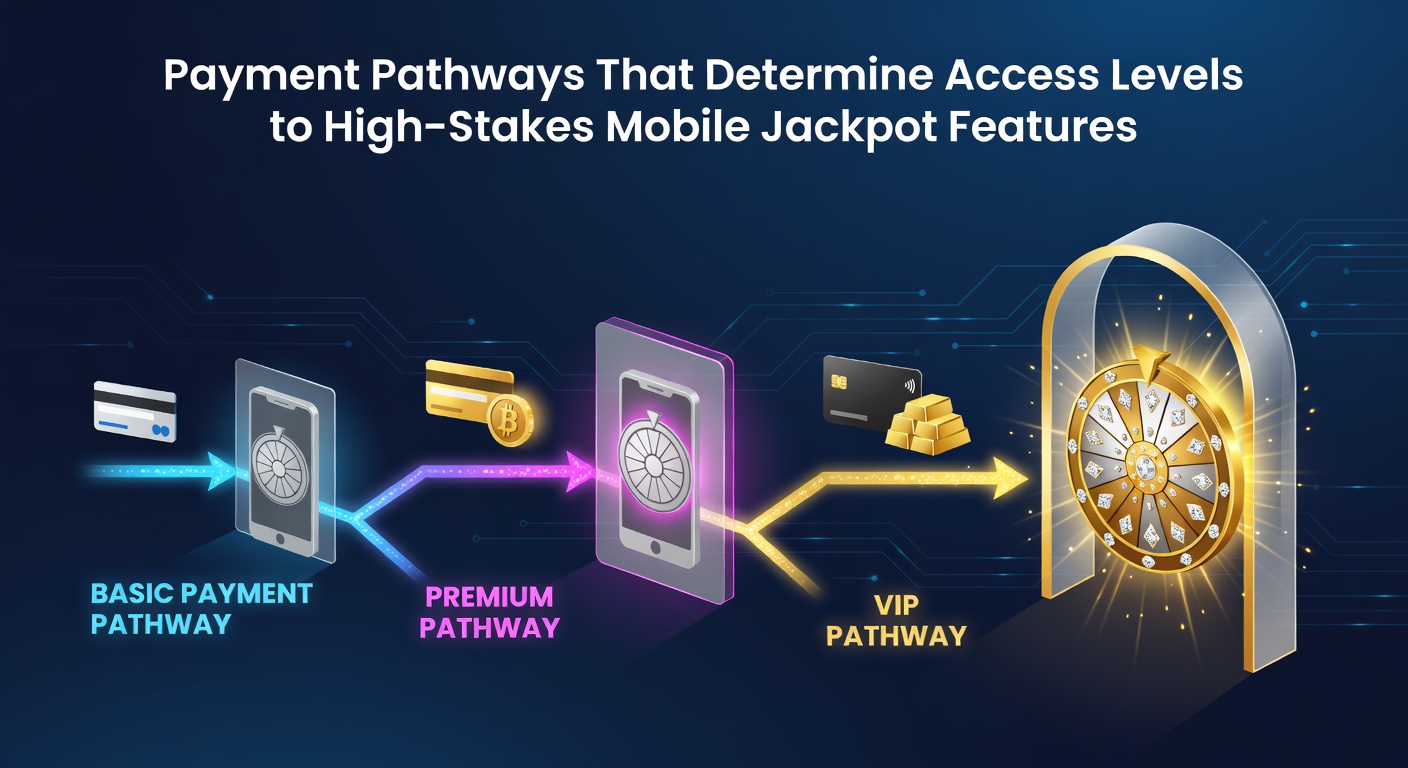
Payment pathways in mobile gaming platforms operate as structured systems that link transaction speed, verification depth, and funding limits directly to eligibility tiers for high-stakes jackpot features. These pathways rely on specific deposit methods such as credit cards, e-wallets, bank transfers, and cryptocurrency options, each carrying distinct processing times and compliance requirements that determine whether players can enter premium progressive pools.
Research from the American Gaming Association shows that platforms segment jackpot access based on deposit velocity and account verification status, with instant methods often unlocking immediate participation while slower options require additional confirmation steps before high-stakes features activate. Data indicates that credit card deposits processed through Visa or Mastercard networks typically grant entry within minutes once identity checks clear, whereas bank wire transfers may delay access by one to three business days due to intermediary settlement procedures.
Verification Layers and Transaction Thresholds
Verification layers form the core mechanism separating basic mobile play from advanced jackpot eligibility, and operators enforce these through tiered Know Your Customer protocols tied to payment sources. E-wallet services like PayPal and Skrill accelerate the process by pre-verifying user details at the provider level, allowing quicker progression to high-value progressive features compared to direct bank methods that demand fresh documentation uploads.
Figures from the Nevada Gaming Control Board reveal that transaction thresholds often cap initial deposits at lower amounts until full verification completes, after which daily and monthly limits expand to support repeated entries into elevated jackpot brackets. Cryptocurrency pathways, including Bitcoin and Ethereum transfers, introduce additional variables because blockchain confirmation times fluctuate between ten minutes and several hours depending on network congestion, yet once settled they frequently bypass traditional banking delays for jackpot qualification.
Regional Regulatory Influences on Payment Routing
Regulatory frameworks across different jurisdictions shape how payment pathways intersect with jackpot access rules, and observers note variations between North American and European markets in May 2026. In the United States, state-level oversight in New Jersey and Pennsylvania requires operators to maintain separate ledgers for each funding source, ensuring that only verified deposits from approved channels count toward high-stakes feature activation. Australian regulatory bodies apply similar restrictions, mandating that mobile platforms log every transaction type against player risk profiles before permitting progressive jackpot participation.
Industry reports from the European Gaming and Betting Association highlight that cross-border payment routing sometimes triggers extra compliance checks when funds originate from non-local accounts, extending the timeline before users reach premium tiers. Those who've studied platform architectures find that integrated systems automatically route certain payment types through accelerated lanes while diverting others through standard review queues, creating measurable differences in feature availability.
Impact of Funding Speed on Progressive Participation
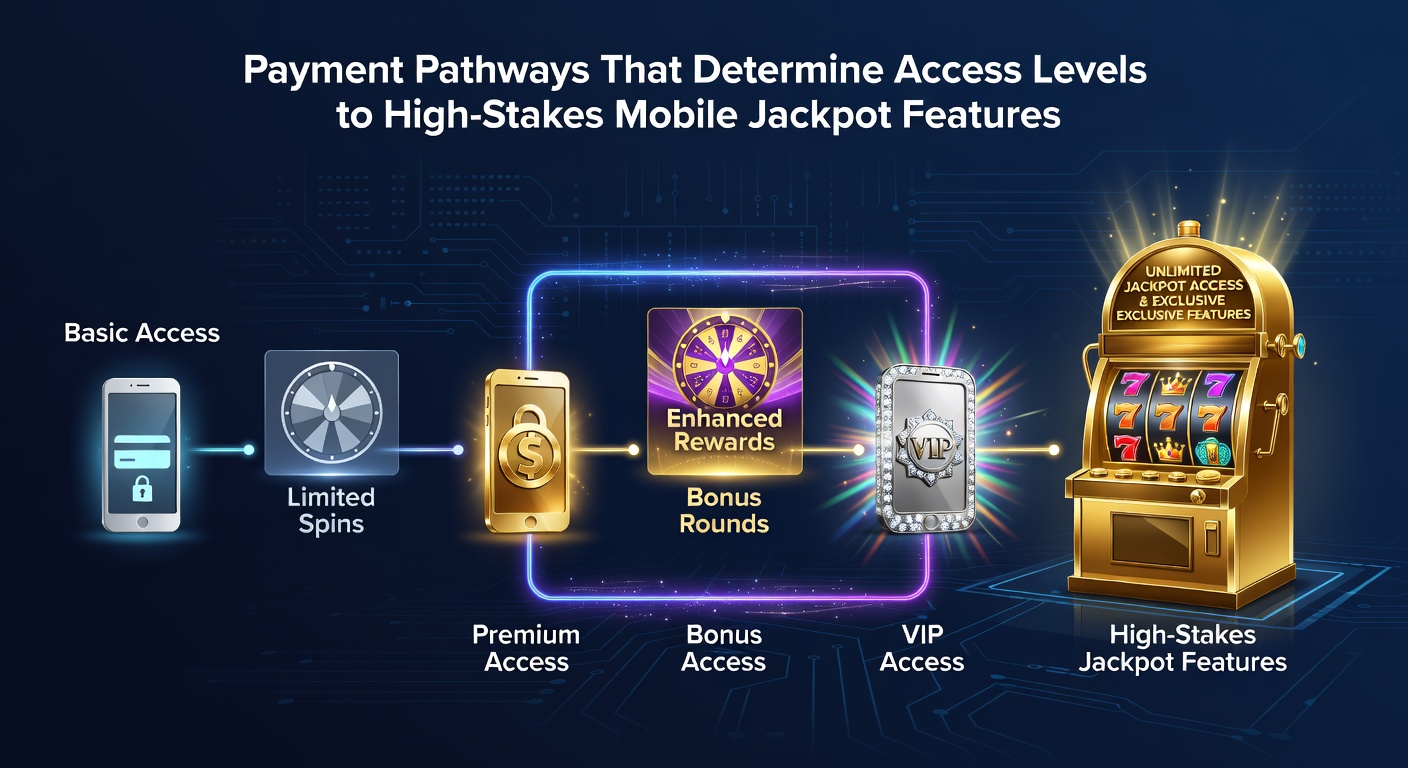
Funding speed directly influences whether mobile users can capitalize on time-sensitive jackpot windows, and platforms calibrate access accordingly through automated pathway assignments. Instant e-wallet and card deposits route users into active progressive pools almost immediately after confirmation, while ACH bank transfers and certain prepaid voucher methods require settlement periods that push participation to later cycles.
Studies from the University of Nevada, Las Vegas Gaming Research Center demonstrate that players using faster pathways accumulate the necessary wager volume for jackpot eligibility at higher rates than those restricted to slower channels. Mobile applications often display real-time status indicators that reflect these pathway assignments, showing users which funding sources currently support high-stakes entry and which remain in pending status.
Case Examples from Platform Operations
Take one major operator that adjusted its mobile systems in early 2026 to prioritize verified digital wallet deposits for elite jackpot brackets, resulting in measurable shifts in participation patterns across its user base. Another instance involves a platform that introduced cryptocurrency routing options, allowing select high-volume users to bypass certain verification stages once blockchain confirmations completed, thereby expanding access to premium features without altering overall compliance standards.
These examples illustrate how payment pathways function as dynamic controls rather than static barriers, and data from multiple operators confirms that method selection correlates strongly with the frequency of high-stakes feature engagement. Observers note that loyalty programs sometimes layer additional incentives onto specific pathways, granting bonus multipliers or reduced thresholds exclusively for users who consistently fund through approved instant channels.
Conclusion
Payment pathways continue to serve as the primary gatekeepers for high-stakes mobile jackpot features by aligning transaction characteristics with eligibility criteria enforced through verification and regulatory requirements. As platforms evolve their routing systems through 2026, the relationship between funding methods and access levels remains central to how users navigate progressive prize opportunities across mobile environments.