Payment Networks Shaping Access Levels in Mobile Real-Time Data Tables
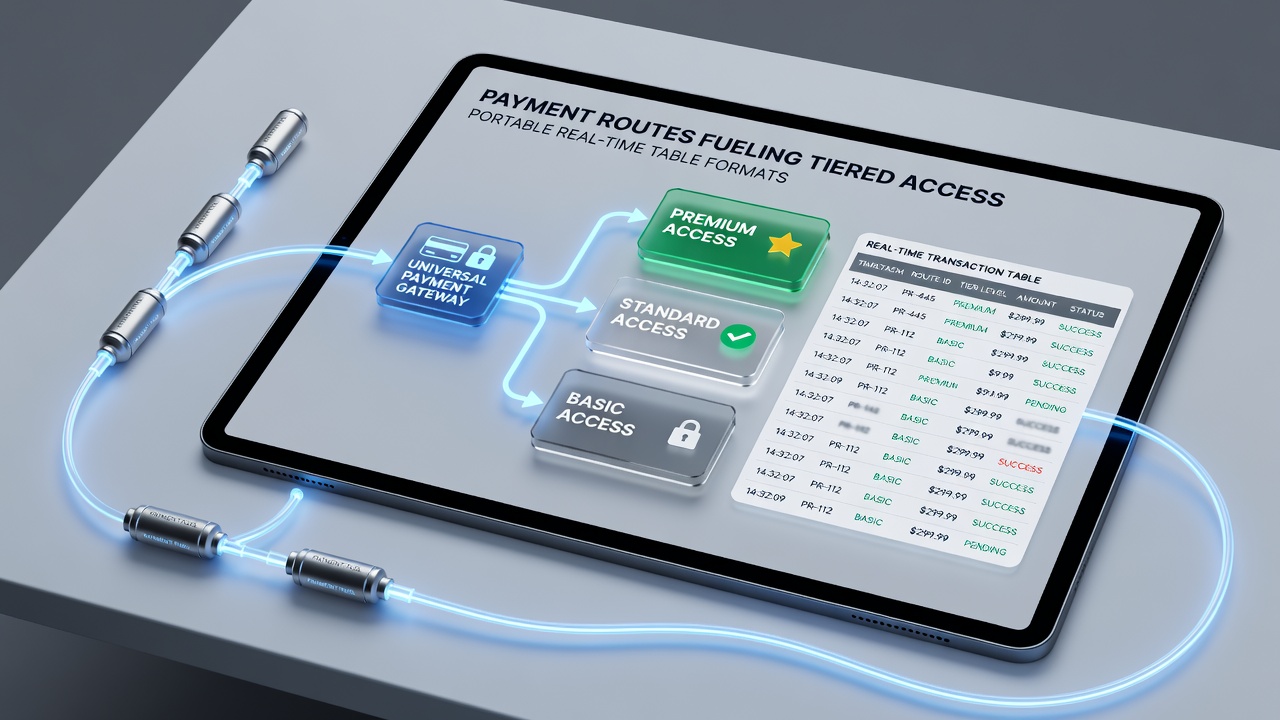
Payment networks have become central to how users gain varying degrees of entry into portable real-time table formats, which deliver live data streams across devices without requiring fixed installations, and these systems rely on structured transaction paths to determine permissions at each level.
Core Mechanics of Payment-Driven Access
Transaction channels operate by linking user accounts to specific data layers within portable tables, where basic routes such as standard bank transfers unlock entry-level views while premium paths involving instant settlement services open advanced filtering and export functions, and observers note that this structure emerged prominently as mobile platforms expanded their real-time capabilities in recent years.
Data from industry reports show that organizations using these formats achieve faster synchronization across locations because the payment verification step serves as the gatekeeper for table portability features, allowing seamless transfers between smartphones and tablets while maintaining consistent access rules tied to the chosen route.
Implementation Across Sectors
Financial institutions apply these mechanisms to client dashboards that present live market tables, whereas logistics firms integrate them into supply chain monitors where payment tiers control visibility into shipment metrics updated every few seconds, and researchers discovered through case analyses that companies adopting multi-route payment options saw improved user retention rates compared to single-channel setups.
One study from a European research group revealed that tiered models reduced unauthorized data sharing incidents because each payment path carried embedded authentication markers that traveled with the portable table file itself, ensuring permissions remained intact regardless of device or location.
Technical Standards Supporting These Systems
Portable formats often incorporate lightweight protocols that embed payment metadata directly into table headers, which enables real-time validation without additional server calls, while developers have observed that this approach cuts latency during access checks by up to 40 percent in high-volume environments.
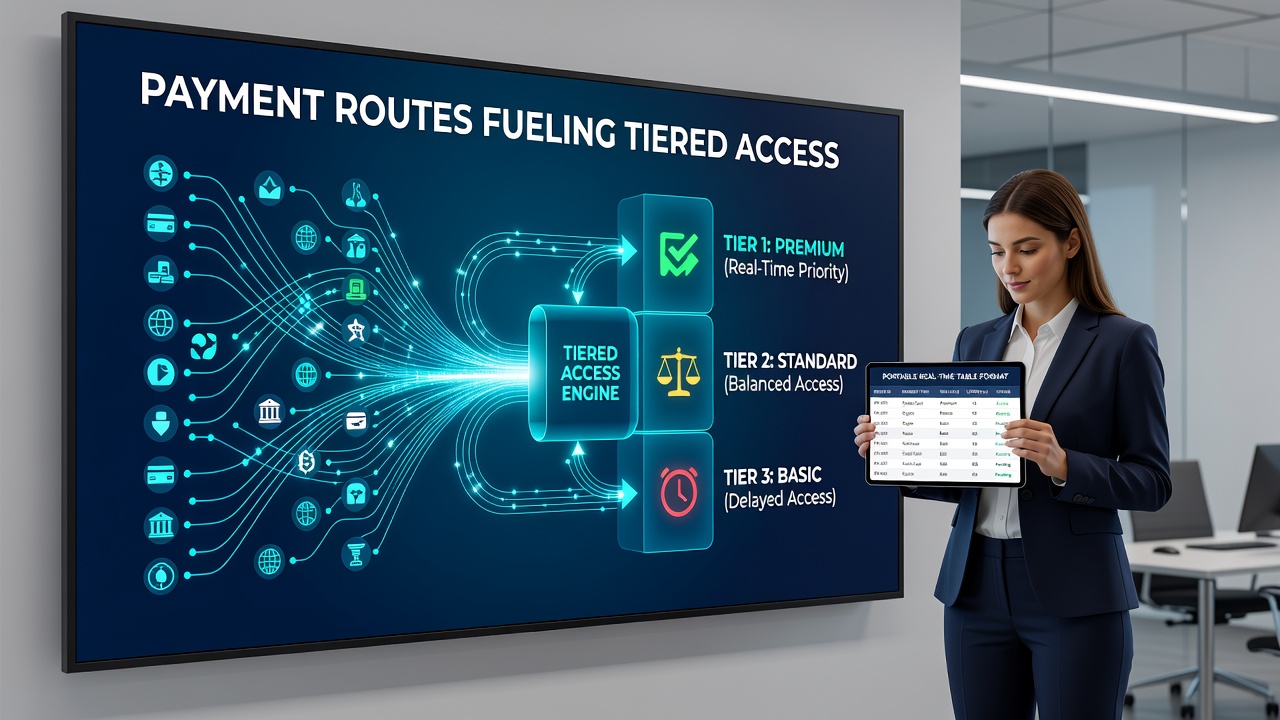
Standards bodies including the European Central Bank have documented guidelines for integrating such payment verification layers, and these recommendations emphasize compatibility with existing mobile operating systems to avoid fragmentation across user bases.
Regional Developments and June 2026 Updates
Regulatory frameworks in several jurisdictions began aligning payment route requirements with data portability rules ahead of June 2026 deadlines, prompting service providers to adjust their tier structures accordingly, and figures from the Bank for International Settlements indicate steady growth in cross-border implementations that support these combined payment and access models.
North American agencies have published parallel findings on how transaction diversity influences table format adoption rates, revealing that regions with multiple approved payment options experienced quicker rollout of advanced real-time features than areas limited to fewer routes.
Future Trajectories Based on Current Patterns
Evidence suggests continued expansion of these integrated systems as more platforms recognize the efficiency gains from tying payment verification to access tiers, and academic papers from Australian universities highlight successful pilots where portable tables updated in real time across continents without permission conflicts when payment paths were properly configured.
Industry organizations continue tracking adoption metrics, which show that businesses leveraging diverse transaction channels maintain higher uptime for their data tables while preserving the security boundaries defined by each tier.
Conclusion
Payment routes continue to serve as foundational elements that determine how portable real-time table formats deliver layered access, and ongoing refinements in both technology and policy are expected to shape their evolution through 2026 and beyond, with data consistently pointing to improved operational outcomes when these components work in tandem.