Payment Pathways Linking Users to Progressive Loyalty Frameworks in Mobile Casino Applications
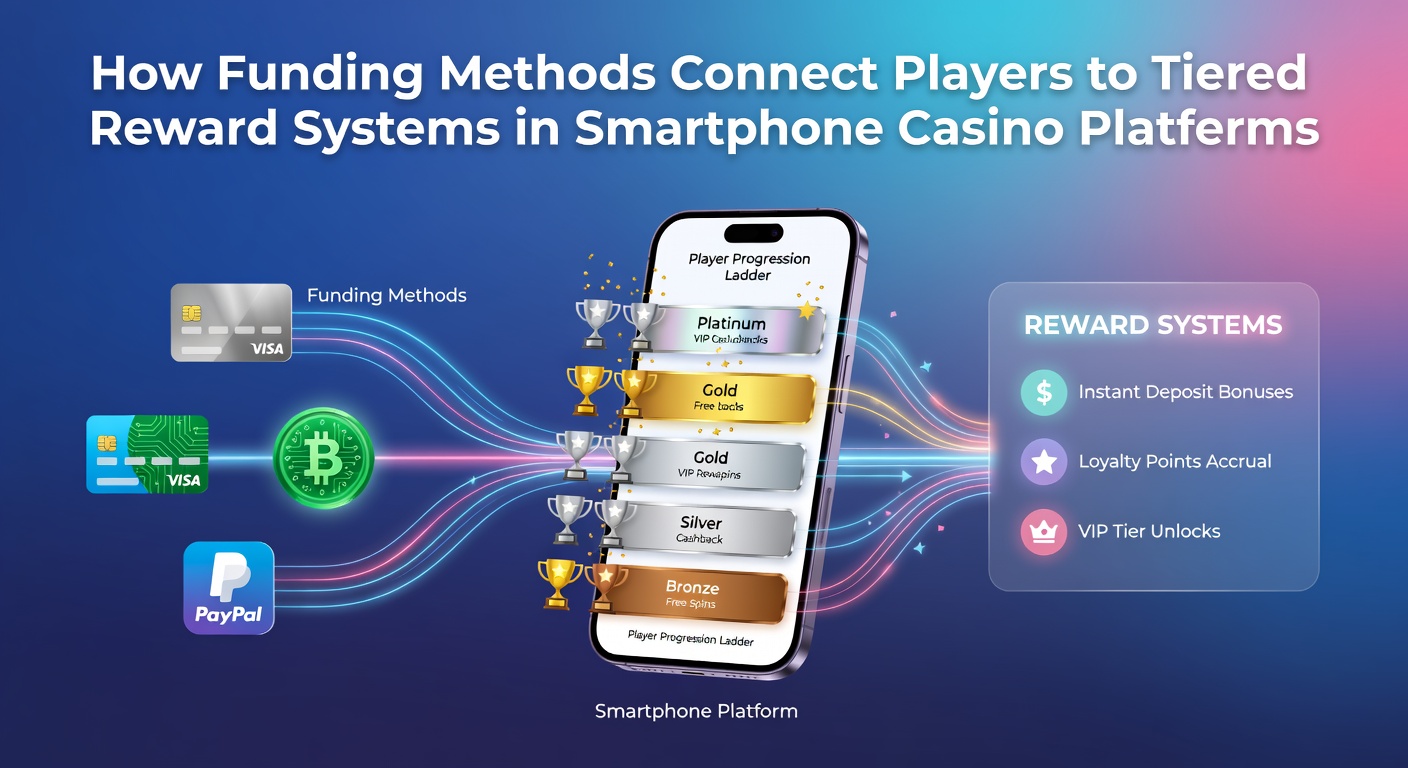 Payment systems in smartphone casino platforms operate through several channels that directly influence how participants advance through structured loyalty programs. These channels include credit cards, e-wallets, bank transfers, and prepaid options, each carrying distinct processing times and fee structures that affect reward accumulation rates. Data from industry reports shows that platforms often assign different point multipliers based on the chosen method, which in turn determines eligibility for higher tiers offering enhanced cashback percentages and exclusive event access. Operators integrate these funding routes with backend algorithms that track deposit frequency, volume, and consistency. A user making repeated transactions via an instant e-wallet might accumulate loyalty points faster than one relying on standard bank transfers, because the system registers the activity in real time and applies corresponding bonuses. This linkage creates measurable pathways where funding speed and reliability translate into tier progression metrics visible within account dashboards.
Core Components of Funding Integration
Smartphone applications embed APIs from payment providers that sync transaction data with loyalty engines. When a deposit completes, the platform records the amount and method, then calculates an initial point allocation that feeds into tier qualification thresholds. Research from gaming analytics firms indicates that platforms using multiple providers experience higher retention because users select methods matching their preferred transaction patterns, leading to sustained engagement across various reward brackets.
Certain methods trigger automatic eligibility checks for promotional tiers. For instance, prepaid card deposits sometimes bypass verification delays associated with direct bank links, allowing immediate access to introductory loyalty levels. Observers note that this efficiency reduces friction and supports steady movement toward mid-tier benefits such as reduced wagering thresholds on promotional credits.Tier Structures and Their Funding Dependencies
Loyalty frameworks typically feature four or five ascending levels, each requiring cumulative spend or deposit milestones. Entry-level tiers grant basic free spin allotments, while advanced stages unlock personalized account managers and accelerated withdrawal processing. Figures from platform analytics reveal that participants using high-velocity funding options reach these milestones 20 to 30 percent sooner on average, because teh system credits activity without extended settlement periods.
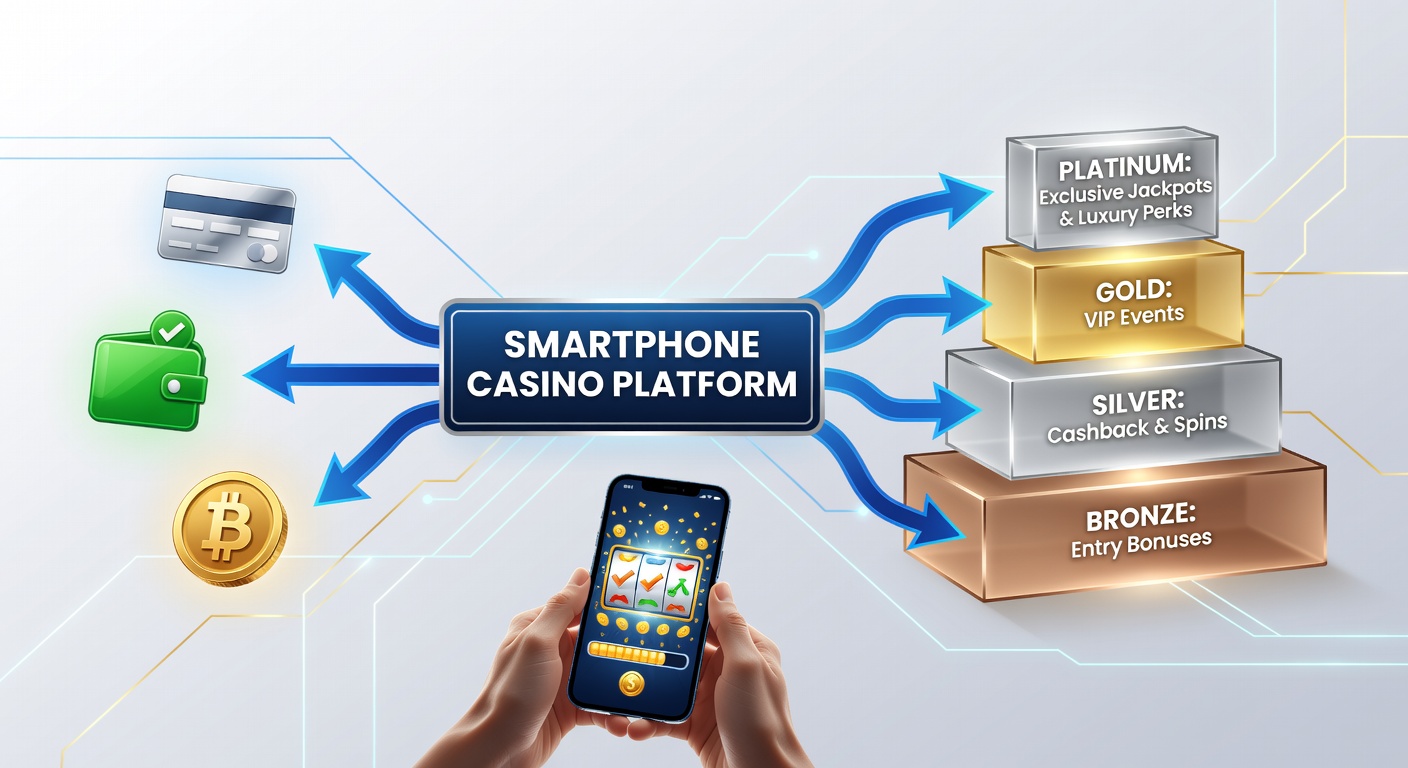 Platforms enforce these connections through transparent yet conditional rules. A user advancing via consistent e-wallet activity might receive multiplier bonuses that compound existing points, whereas slower methods cap the rate of advancement. Those who've examined operational models across regions find that such differentiation encourages diversification of payment preferences to optimize tier access.
Regional Variations in Payment-Reward Linkages
European operators often align funding methods with consumer protection standards set by bodies like the Malta Gaming Authority, which influences how quickly reward tiers activate following deposits. In contrast, North American platforms regulated under state gaming commissions incorporate additional verification layers that can delay point crediting for certain bank-linked options. Industry organizations such as the American Gaming Association have documented how these regional differences shape user behavior toward methods that minimize administrative hurdles and maximize progression speed.
Smartphone-specific constraints further refine these dynamics. Limited screen space leads developers to prioritize one-tap funding integrations that automatically log data for tier calculations. Academic studies on digital gambling interfaces show that streamlined processes correlate with higher completion rates for loyalty challenges, because users encounter fewer interruptions between deposit confirmation and reward updates.Technical Mechanisms Behind the Connections
Backend systems employ event-driven triggers that fire when funding transactions meet predefined criteria. These triggers adjust user profiles in real time, shifting individuals between tiers based on rolling 30-day or 90-day windows. Data indicates that platforms incorporating machine learning refine these thresholds seasonally, responding to aggregate patterns in deposit method usage across user segments.
Security protocols add another layer. Two-factor authentication tied to certain e-wallet providers can accelerate verification steps required for tier upgrades, whereas manual reviews for larger bank transfers extend the timeline. Experts tracking platform updates note that these technical distinctions create predictable outcomes for users who select methods aligned with their activity goals.Conclusion
Funding methods serve as foundational inputs that platforms convert into measurable progress within tiered reward systems on smartphone casino applications. The integration relies on synchronized data flows, method-specific multipliers, and regional compliance factors that collectively determine advancement velocity. As smartphone usage continues expanding, these connections remain central to how operators structure user retention frameworks across diverse markets.