Tackling Terminology Deficits in Mobile Casino Environments with Live Elements and Loyalty Programs
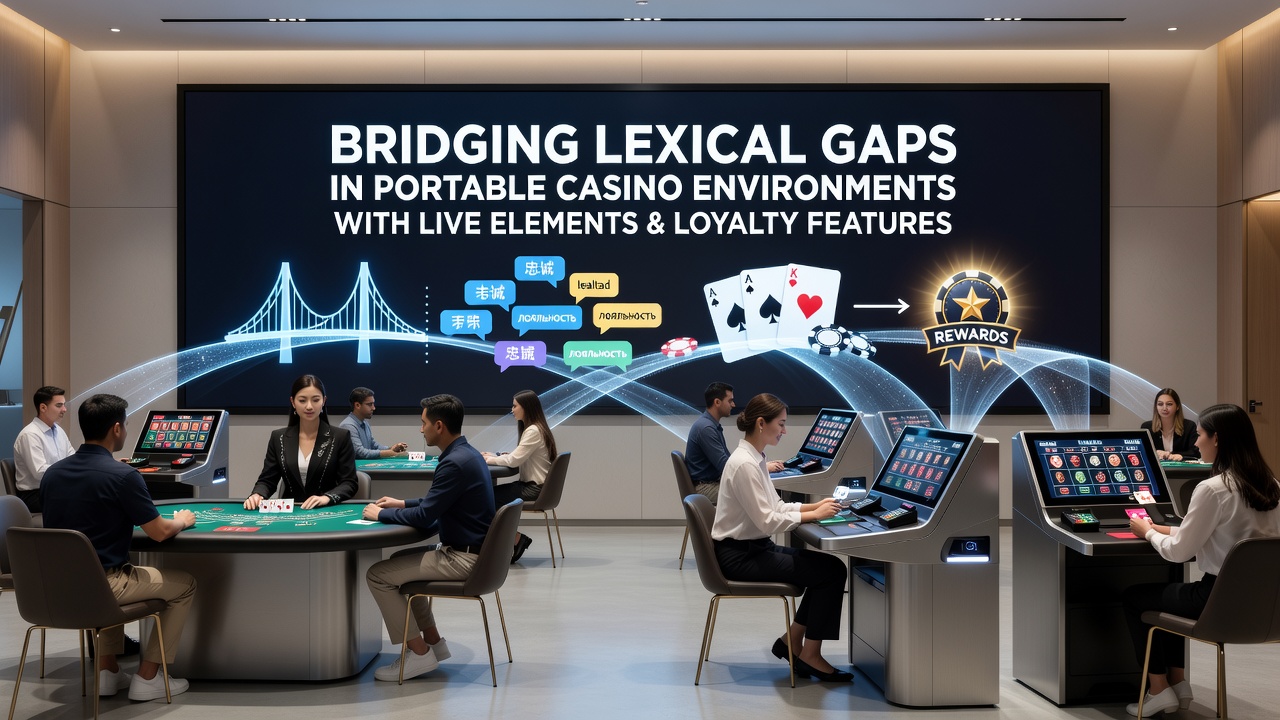
Portable casino platforms continue to expand their reach through smartphones and tablets, yet developers and operators encounter persistent shortfalls in standardized vocabulary when describing features that combine live streaming elements with reward structures. These lexical gaps emerge because new combinations of real-time interaction and user retention tools lack agreed-upon terms across different markets and languages.
Defining Lexical Gaps in Gaming Contexts
Lexical gaps occur when concepts or functions exist in practice but lack precise words in common usage or technical documentation. In mobile casino settings, this issue surfaces around hybrid experiences where live dealer sessions run alongside automated loyalty tracking systems. Researchers at the International Gaming Institute have documented how operators invent ad-hoc phrases such as "streamed reward triggers" or "real-time tier unlocks" without consistent definitions that carry over between platforms.
Those who study digital gaming note that portable environments amplify these problems because screen sizes limit explanatory text while users switch rapidly between game modes. Data from industry analyses show that inconsistent wording leads to higher support queries during onboarding processes for new loyalty integrations.
Live Elements Reshaping Mobile Experiences
Live dealer components bring real-time video feeds into portable casino applications, allowing participants to join table games hosted by actual dealers through device cameras and microphones. This shift creates demand for terms that distinguish between pre-recorded sequences and authentic streamed interactions while also accounting for latency adjustments that vary by network conditions.
Operators have introduced descriptors like "synchronized live multipliers" to explain how loyalty points accumulate during these sessions, though adoption remains uneven. A report issued by the American Gaming Association in early 2026 highlighted that clearer nomenclature around these live features correlates with improved session retention rates across tested applications.
Loyalty Features and Their Descriptive Challenges
Loyalty programs in mobile casinos track player activity through points, tiers, and personalized offers that activate during live segments. Lexical gaps appear when describing mechanisms such as instant tier advancement triggered by participation in a live roulette round or the conversion of streamed play into exclusive bonus credits.
Studies from academic institutions tracking gaming software reveal that users often misinterpret phrases like "dynamic loyalty cascades" because similar wording applies to unrelated bonus mechanics in other game categories. This overlap creates confusion that developers attempt to resolve through in-app glossaries updated periodically.
Integration Patterns Observed Across Platforms
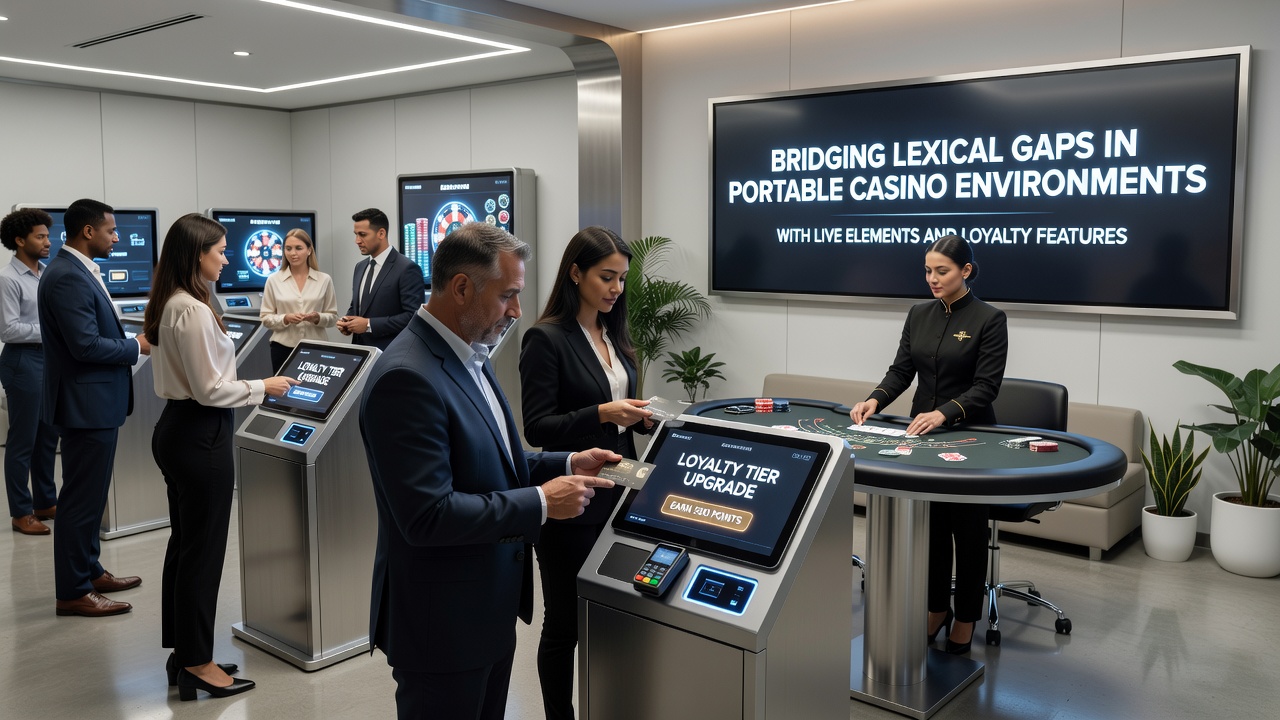
Developers address terminology shortfalls by adopting modular language systems that update definitions automatically based on user location and device type. One documented approach involves mapping live element actions directly to loyalty outcomes using shared vocabulary sets that span multiple operators.
Figures released ahead of industry gatherings scheduled for June 2026 indicate growing interest in collaborative glossaries maintained by trade groups to standardize terms for portable live loyalty combinations. These efforts focus on reducing regional variations in how features receive labels in application stores and marketing materials.
Technological Influences on Language Standardization
Backend systems powering mobile casinos rely on APIs that log every live interaction and loyalty adjustment in real time, generating data streams that require precise descriptors for analytics teams. When lexical gaps persist, reporting accuracy declines because teams apply differing interpretations to the same events.
Engineers have responded by embedding context-aware help text that activates during live sessions, providing brief explanations tied to loyalty progression without interrupting gameplay flow. This method reduces reliance on external support resources while gradually building user familiarity with emerging terms.
Regional Variations in Terminology Adoption
Markets in North America and parts of Asia demonstrate faster uptake of unified wording for live loyalty features compared with other regions, according to cross-border comparisons conducted by research firms. Regulatory frameworks in these areas encourage operators to submit standardized feature descriptions during licensing reviews, which accelerates consistent language use.
Observers tracking global trends note that portable platforms benefit when terms travel across borders without requiring translation adjustments for core mechanics. Such consistency supports smoother updates when new live elements integrate with existing loyalty frameworks.
Conclusion
Portable casino environments continue to evolve through combinations of live streaming and loyalty mechanisms that outpace existing vocabulary resources. Industry participants address these lexical gaps through collaborative glossaries, embedded explanations, and data-driven refinements that emerge from operational feedback. As platforms prepare for developments outlined in June 2026 reports, standardized terminology supports clearer communication between operators and users across diverse markets.