Transaction Links Between Funding Choices and Tiered Benefits in Mobile Gaming Worlds
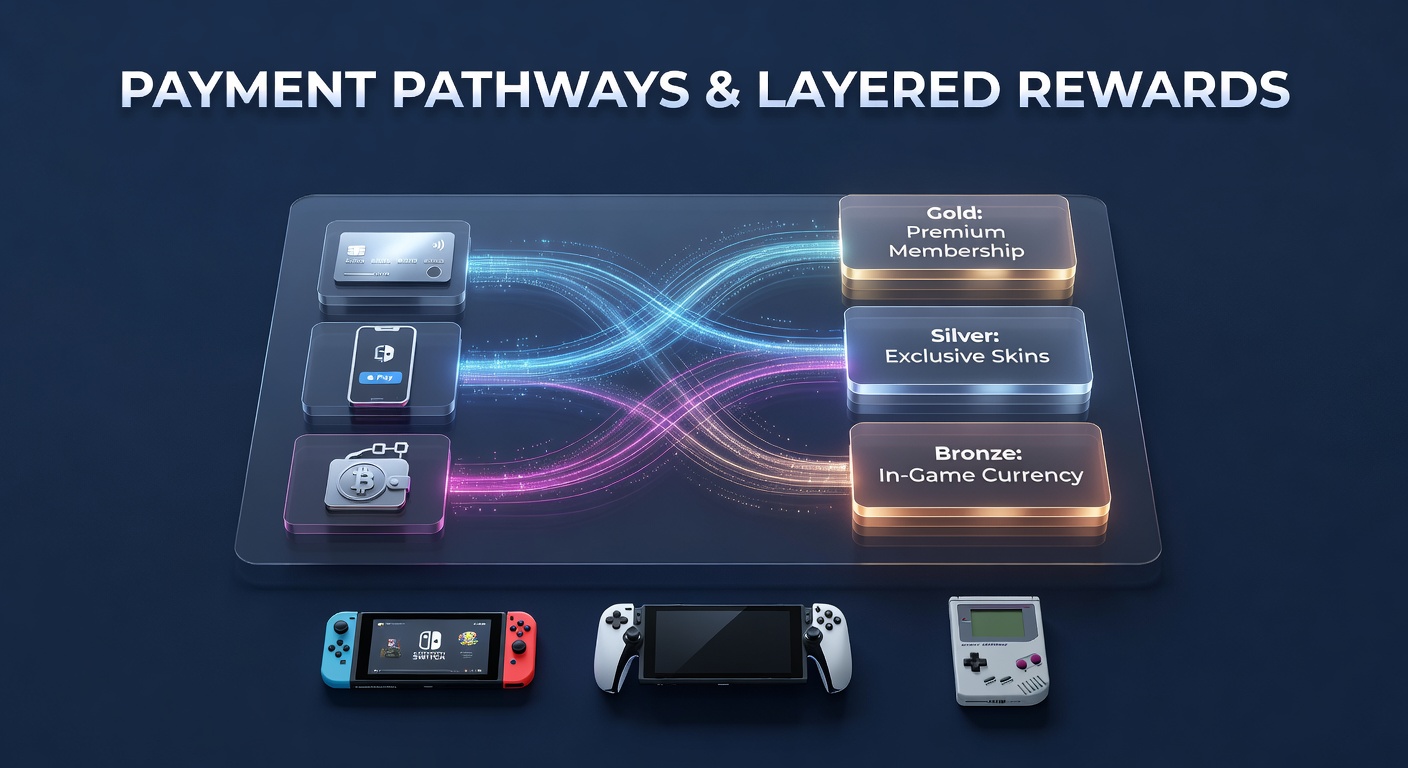
Payment systems in portable gaming platforms operate through distinct channels that tie direct funding selections to progressive incentive layers, and these connections shape how users accumulate benefits across handheld devices. Data from industry analyses show that credit card entries, digital wallet transfers, and bank integrations each trigger specific reward escalations depending on transaction volume and frequency.
Portable platforms integrate these pathways so that every deposit or purchase feeds into loyalty frameworks where points convert into access tiers, bonus allocations, and feature unlocks. Observers note that the structure relies on backend algorithms matching payment types to reward multipliers, which creates layered outcomes without requiring separate user actions.
Core Payment Channels and Their Reward Connections
Multiple transaction methods link directly to reward accumulation in mobile environments, and credit-based options often activate higher initial point yields compared to slower bank routes. Digital wallets accelerate the process by reducing processing intervals, which allows rewards to post faster and compound across sessions on portable hardware.
Studies indicate that platforms standardize these linkages through API connections, where each payment confirmation updates user profiles in real time and adjusts tier standings accordingly. Those who've examined the systems find that variations emerge by region because local banking regulations influence how quickly rewards activate after a transaction clears.
Layered Incentive Structures Across Devices
Reward layers build sequentially once a payment pathway activates, beginning with base points that progress into status elevations and exclusive content grants. Portable gaming environments maintain these layers through synchronized databases that track activity across smartphones and tablets, ensuring continuity regardless of device switches.
Evidence suggests that higher transaction values unlock deeper layers faster, while consistent smaller payments sustain mid-tier benefits over extended periods. As of June 2026, platform updates have refined these progressions by incorporating usage data from multiple sessions to refine reward distribution without altering core payment rules.
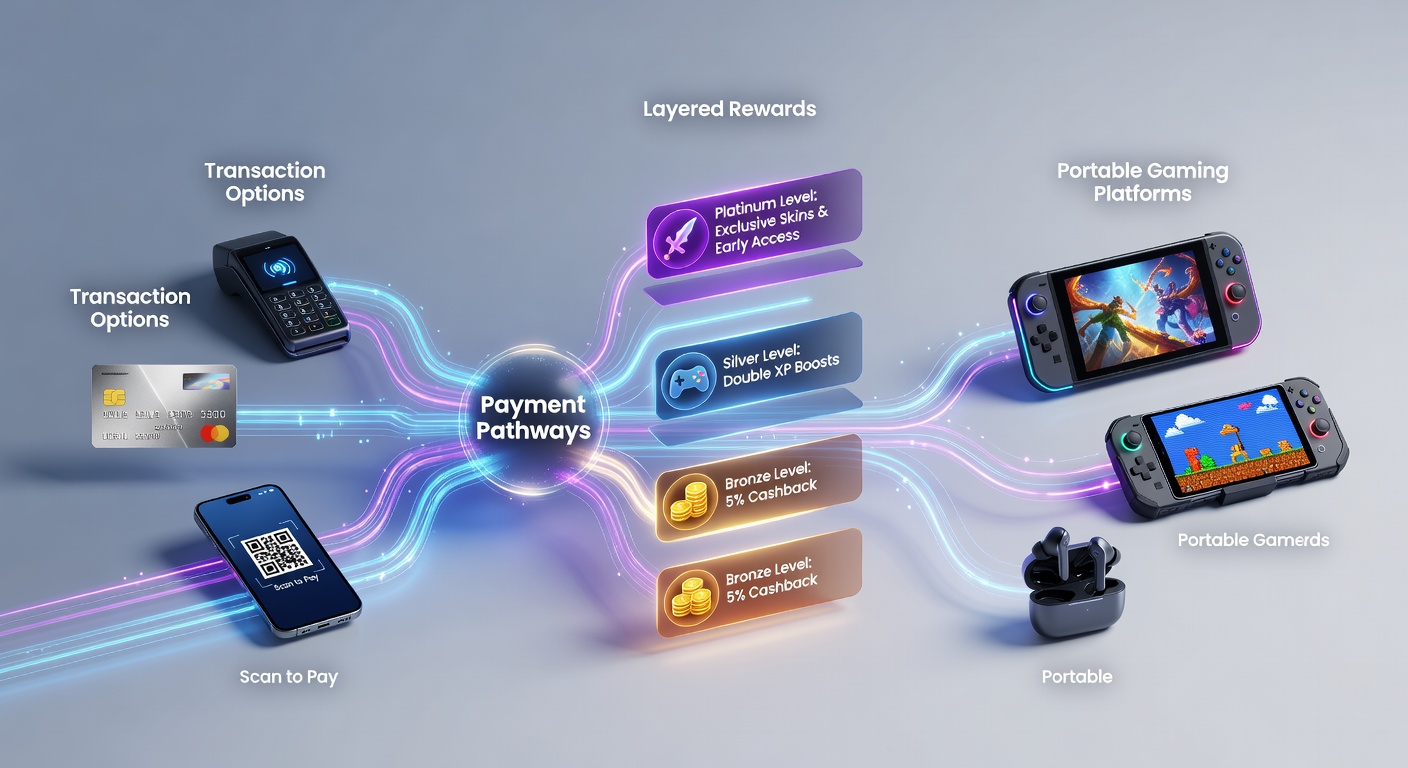
One study revealed that users engaging through combined payment routes experience accelerated layer advancement compared to single-method approaches, and this pattern holds across different portable operating systems. The integration relies on secure token exchanges that verify each step before reward credits apply.
Regional Variations in Pathway Implementation
Implementation differs by market because regulatory frameworks shape acceptable payment options and their associated reward linkages. In North American regions, for instance, platforms emphasize credit and debit integrations that feed into loyalty programs governed by state-level rules, while Australian systems often prioritize e-wallet options tied to consumer protection standards outlined in reports from the Australian Communications and Media Authority.
European operators follow data protection directives that affect how transaction histories connect to reward profiles, and these rules create distinct layer speeds compared to other areas. Researchers discovered that cross-border users encounter adjusted pathways when platforms detect location changes, which maintains compliance while preserving reward continuity.
Technical Integration of Transactions and Rewards
Backend systems connect payment gateways to reward engines through encrypted data streams that update user accounts immediately after verification. This setup allows portable platforms to apply layered benefits such as spin allocations or progression boosts without manual intervention from operators.
Industry organizations like the Entertainment Software Association have documented how these connections scale across millions of daily transactions, and the documentation highlights reliability metrics that support uninterrupted reward delivery on mobile networks. Platforms test these linkages regularly to handle peak loads during promotional periods.
Observers note that security protocols embedded in the pathways prevent reward manipulation while permitting legitimate transaction histories to influence tier status. The result is a stable framework where payment choices determine reward velocity across all portable access points.
Conclusion
Payment pathways continue to serve as the foundation linking transaction selections to layered rewards in portable gaming platforms, and ongoing refinements ensure these connections remain functional across evolving device ecosystems. Data indicates that the structure supports consistent user progression when payment options align with platform rules and regional requirements. Those monitoring developments in June 2026 report incremental adjustments focused on speed and verification accuracy rather than wholesale redesigns.