Transaction Networks Fueling Reward Growth in Digital Slot Loyalty Frameworks
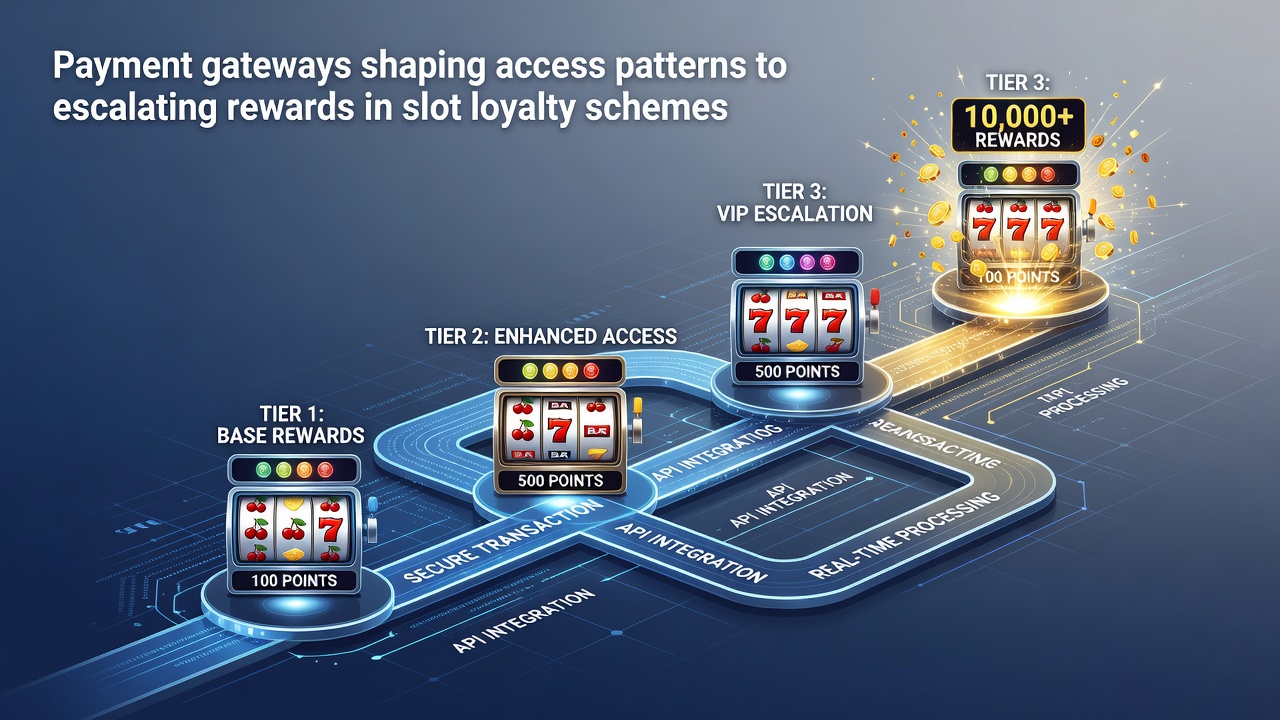
Payment gateways serve as critical connectors between player accounts and casino platforms, determining how quickly deposits register and loyalty points accumulate in slot programs, which in turn controls entry into higher reward brackets. These systems process transactions through encrypted channels that verify funds in seconds, allowing operators to credit points almost immediately after a successful deposit, whereas slower methods create delays that push players further from escalating benefits like bonus multipliers or exclusive free spin allocations.
Mechanics of Gateway Integration with Loyalty Tracking
Operators link specific gateways to backend loyalty databases so that each deposit amount triggers proportional point awards, yet the speed and reliability of those gateways directly shape whether points post before a gaming session ends or linger until the next day. Faster processors such as certain digital wallets enable real-time tracking, giving players instant visibility into their progress toward the next tier, while traditional card routes sometimes require batch processing that separates the deposit event from reward calculation by several hours. Data from industry reports shows that platforms using optimized gateways record higher average session lengths because players remain engaged while watching their loyalty meters climb without interruption.
Patterns of Access Created by Gateway Selection
Players who choose gateways with low-latency confirmation gain repeated entry to flash promotions tied to loyalty milestones, whereas those relying on methods with higher failure rates encounter interruptions that reset progress streaks. Research indicates that in markets where instant verification dominates, the distribution of rewards skews toward users who maintain consistent deposit patterns through the same gateway family, creating visible clusters of high-tier members who rarely switch processors. One operator who analyzed transaction logs discovered that gateway choice correlated more strongly with tier advancement than total wager volume alone, because reliable processing preserved momentum across multiple short sessions rather than forcing consolidation into fewer large deposits.
What's interesting is how gateway fees interact with reward thresholds, since certain processors deduct small percentages that reduce the effective deposit amount eligible for point calculation, thereby slowing the climb toward escalating benefits. Although many programs round points upward to offset minor deductions, repeated use of higher-fee gateways still produces measurable gaps in annual reward totals compared with zero-fee alternatives favored by frequent players.
Regional Variations Emerging Around Mid-2026 Standards
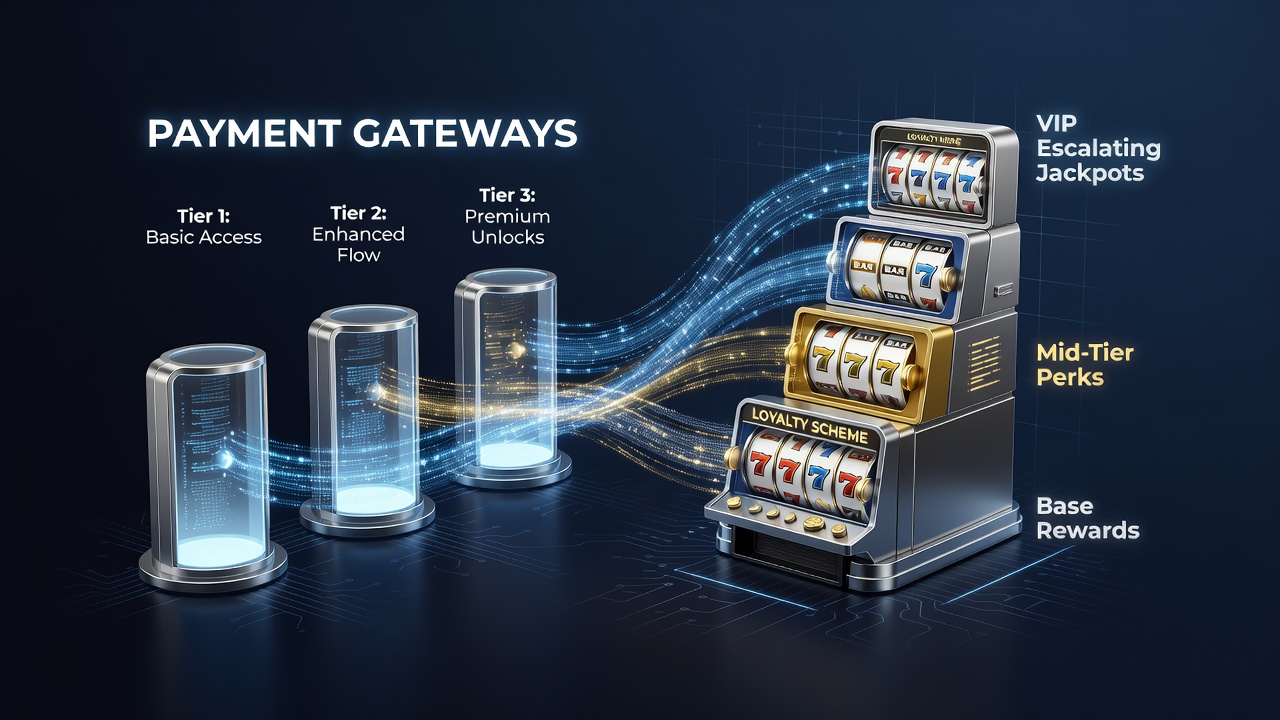
By June 2026 several jurisdictions plan to enforce stricter interoperability rules for payment processors handling gaming transactions, which will standardize how quickly loyalty data must sync across platforms. These changes aim to reduce discrepancies that currently allow some gateways to deliver points hours ahead of competitors, leveling access patterns for players who switch between operators. Figures from regulatory filings in multiple regions reveal that standardized timing windows will compress the window between deposit and reward posting to under two minutes for compliant systems, potentially accelerating tier movement for users who previously lost momentum during processing lags.
Take one researcher who tracked loyalty cohorts across borders and found that players in markets with already strict timing rules advanced through tiers 18 percent faster on average than those in regions still operating under older batch-processing norms. That gap narrows when operators adopt unified gateway protocols, suggesting the upcoming standards will redistribute access more evenly across different player segments.
Gateway Features That Directly Influence Reward Velocity
Built-in features such as recurring payment tokens and instant refund handling let players maintain continuous point accrual even when reversing a transaction, whereas gateways lacking these tools force manual reconciliation that pauses loyalty tracking until disputes clear. Observers note that programs offering gateway-specific bonuses for using approved processors see concentrated usage patterns, with participants clustering around two or three preferred methods that maximize both speed and reward multipliers. According to a study published by the Nevada Gaming Control Board, platforms that tie loyalty bonuses to approved gateway lists experience 27 percent higher retention among mid-tier members who value predictable point posting over raw transaction volume.
Yet the same study highlighted that overly restrictive gateway lists can exclude players who prefer regional banking options, creating pockets of slower advancement that persist until those methods gain approval. Operators therefore balance security requirements against the need to keep reward access open across diverse payment preferences.
Future Trajectories for Loyalty Access Through Payment Evolution
Emerging technologies like real-time bank transfers and embedded wallet solutions continue to shorten the interval between deposit confirmation and loyalty credit, which in turn compresses the time required to reach higher reward brackets. Data compiled by the Responsible Gambling Council of Canada shows that jurisdictions adopting these faster rails report steadier month-to-month tier advancement rates, with fewer players stalling at intermediate levels because of processing friction. As more platforms integrate these options, access patterns to escalating rewards are expected to flatten across demographic groups that previously faced barriers from legacy payment delays.
Conclusion
Payment gateways function as gatekeepers that translate deposit behavior into measurable progress within slot loyalty structures, with processing speed, fee structures, and feature sets collectively determining how readily players reach successive reward tiers. Regulatory developments scheduled for June 2026 will further standardize these interactions across borders, reducing regional disparities in reward velocity while maintaining the core relationship between transaction reliability and loyalty advancement. Operators who align gateway choices with transparent point-calculation rules stand to sustain broader participation in escalating benefit programs, ensuring that access remains tied primarily to consistent engagement rather than technical friction.