Transaction Pathways Redefining Bonus Structures in Mobile Prize Delivery Systems
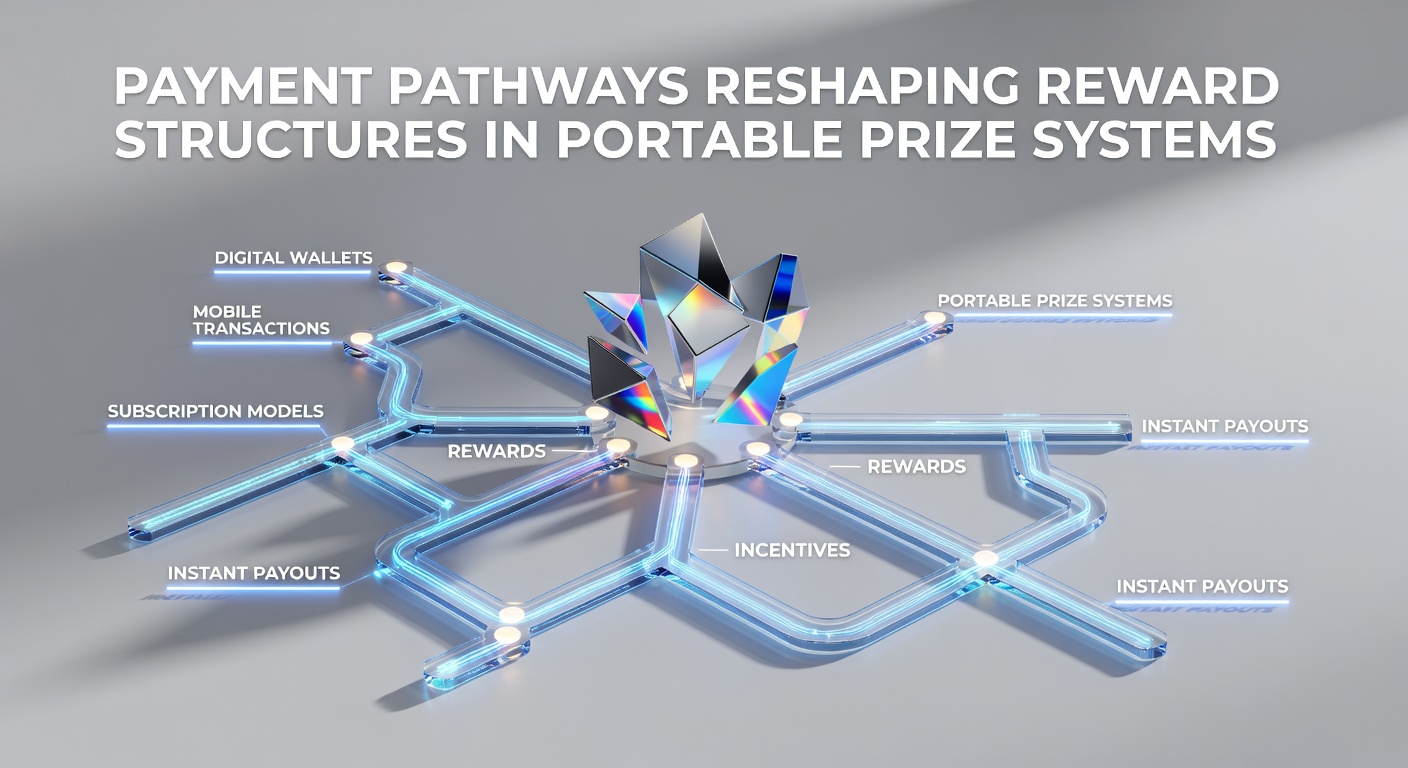
Payment pathways continue to influence how reward structures operate within portable prize systems, and data from industry reports shows these shifts accelerating through the first half of 2026. Mobile applications that deliver prizes now integrate faster transaction methods, and researchers note that instant deposit options often trigger immediate updates to loyalty tiers and bonus eligibility.
Core Mechanisms Behind Payment Integration
Portable prize platforms rely on digital wallets, bank transfers, and emerging payment rails to process user funds, while reward calculations adjust in real time based on transaction speed and volume. Studies from the University of Nevada Reno Gaming Research Center indicate that systems using instant verification reduce the time between deposit and bonus activation by up to 85 percent compared with traditional card processing. This timing change allows operators to layer additional incentives such as progressive multipliers that activate only after a qualifying payment clears within seconds.
Instant Rails and Tiered Incentives
Many platforms now connect directly to faster payment networks, and this connectivity lets reward engines recalculate user status the moment funds arrive. Observers tracking these developments report that loyalty points sometimes accrue at higher rates when payments route through approved instant channels rather than standard methods. Data compiled by the Australian Communications and Media Authority shows a 40 percent rise in mobile prize accounts linked to instant rails between late 2025 and May 2026, with corresponding increases in tier advancement frequency.
Those who manage portable prize systems have adjusted their backend logic so that deposit velocity influences the size and frequency of free prize bundles, and this adjustment creates a direct correlation between payment choice and reward value. Researchers discovered that users selecting same-day settlement options receive notifications for time-limited multipliers that remain unavailable to slower payment routes.
Regional Patterns in Payment Adoption
European operators began testing open banking integrations earlier than most markets, and these tests produced measurable differences in how rewards distribute across user segments. Figures from the European Gaming and Betting Association reveal that accounts using open banking for deposits reached higher average reward redemption rates by March 2026. Meanwhile, North American platforms leaned into digital wallet pairings, and analysts at the Nevada Gaming Control Board documented similar patterns where wallet-based transactions correlated with faster progression through loyalty ladders.
Portable systems in Asia-Pacific regions adopted QR-code linked payments at scale during the same period, and this method introduced new variables into reward algorithms. Payment confirmation times dropped below two seconds in many cases, allowing prize engines to issue micro-bonuses immediately upon successful scan verification. The result appears in aggregated platform data as an uptick in repeat engagement within the first hour after each transaction.
Security Layers and Reward Eligibility
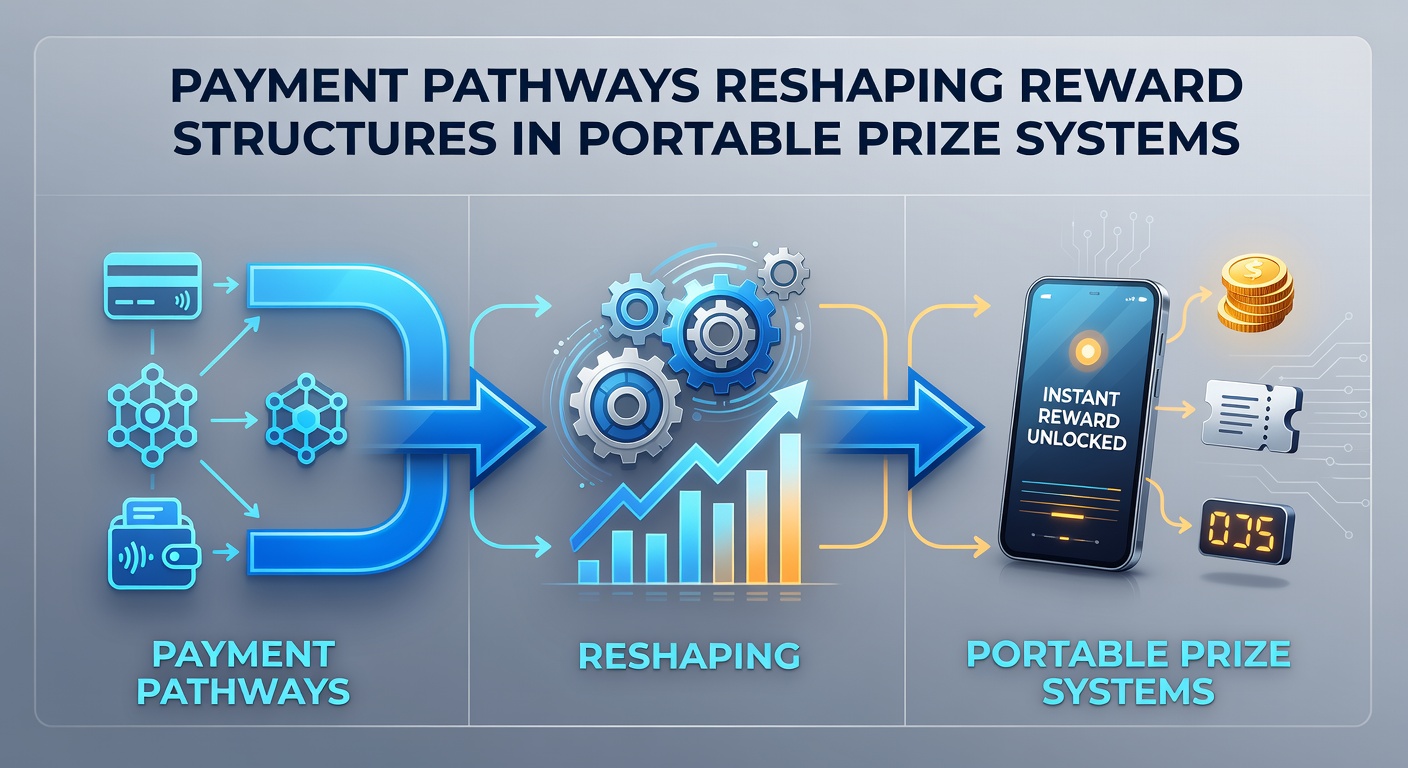
Security protocols embedded in newer payment pathways also affect reward access, since verification steps sometimes gate certain bonus types. Multi-factor authentication tied to the payment flow can delay or accelerate reward delivery depending on how quickly users complete the checks. Platform operators have therefore built conditional logic that grants extra prize credits only after both payment and security steps finish within predefined windows.
Research published by academic teams at the University of Sydney Business School examined several portable prize applications and found that accounts passing combined payment-plus-identity checks received 22 percent more cumulative rewards over a six-month period than accounts using slower verification routes. These findings emerged from anonymized transaction logs collected through May 2026.
Future Adjustments Expected
Industry participants continue to monitor regulatory updates that may further standardize payment pathways across borders, and any new rules could reshape the current reward formulas once more. Operators already prepare contingency models that recalibrate bonus structures if transaction speed requirements change. The pattern observed so far suggests that whichever payment method achieves the lowest friction tends to unlock the most favorable reward parameters within each system.
Conclusion
Payment pathways now sit at the center of how portable prize systems allocate rewards, and evidence from multiple regions confirms that transaction speed, verification method, and network choice directly modify incentive outcomes. As platforms refine these connections through 2026, the relationship between how funds move and what prizes become available will likely grow even tighter.